

Choosing between the different types of HVAC systems can feel overwhelming at first. You start researching, and suddenly you are looking at heat pumps, split systems, dual-fuel setups, SEER2 ratings, and load calculations. It is a lot to sort through, especially when comfort, efficiency, and long-term cost are all on the line.
The truth is, there is no one-size-fits-all answer. The right system depends on your home’s layout, ductwork, climate, and how you want it to perform year after year. Some HVAC system types work best in homes with existing ducts. Others are ideal for additions, older properties, or homeowners focused on energy efficiency.
The good news is that once you understand the core differences between the types of HVAC systems, the decision becomes much clearer. With the right load calculation and a thorough evaluation of your home, you can choose a system that delivers consistent comfort and strong performance.
Below is a straightforward breakdown of the different types of HVAC systems, how they work, and when each one makes sense.
Schedule OnlineQuick Comparison of Common HVAC System Types
Here is a simplified overview of major types of HVAC units, listed in descending order based on overall efficiency and long-term performance potential:
Geothermal System
Best for long-term homeowners
Uses ground-source heat exchange
Very high energy efficiency
Higher installation investment
Hybrid Dual-Fuel System
Best for colder climates needing strong winter heat
Combines heat pump and furnace
Balances efficiency and strong cold-weather performance
More complex controls
Air-Source Heat Pump
Best for energy efficiency and electric homes
Provides both heating and cooling
May require backup heat in colder regions
Ductless Mini-Split
Best for additions or rooms without ducts
No ductwork required
Allows zoning control
Split System
Best for homes with existing ductwork
Uses indoor and outdoor components
Widely used and flexible
Packaged Unit
Best for homes with limited indoor space
All components in one outdoor cabinet
Boiler and Radiant Heat
Best for hydronic heating homes
Uses water instead of forced air
Requires separate cooling system
1) Split System HVAC
A split system includes an outdoor condenser and an indoor furnace or air handler connected by ductwork, registers, and vents.
Best for: homes with existing ducts.
Pros:
- Flexible upgrades
- Strong heating and cooling performance
Cons:
- Efficiency depends on duct condition
Split systems are often paired with comprehensive Air conditioning services and Heating services to keep performance consistent year-round.
2) Packaged HVAC Unit
A packaged unit houses heating and cooling equipment in a single outdoor cabinet.
Best for: homes without indoor mechanical space.
Pros:
- Compact design
- Simplified setup
Cons:
- Less customization flexibility
3) Air-Source Heat Pump
An air-source heat pump transfers heat in and out of your home for year-round comfort. Modern Heat pump systems are increasingly popular for homeowners looking to simplify their heating and cooling into one unit.
Best for: energy-conscious homeowners.
Pros:
- One system for heating and cooling
- High efficiency ratings available
Cons:
- May need supplemental heat in colder climates
If you are considering Heat pump installation & repair, a proper load calculation and duct evaluation are essential to long-term performance.
4) Ductless Mini-Split
Ductless mini-split systems use wall- or ceiling-mounted air handlers and require no ductwork. Many homeowners choose Ductless mini-split systems for additions, garages, or zoning specific areas of the home.
Best for: additions and zoning.
Pros:
- Room-by-room control
- No duct losses
Cons:
- Higher cost per zone
5) Hybrid Dual-Fuel System
A hybrid system pairs a heat pump with a gas furnace.
Best for: colder climates.
Pros:
- Automatic fuel switching
- Improved seasonal efficiency
Cons:
- More complex installation
This setup combines the efficiency of a heat pump with the reliability of a furnace during peak winter demand.
6) Boiler and Radiant Heat
Boilers heat water and distribute it through baseboards or radiant floors.
Best for: homes with hydronic systems.
Pros:
- Even heat
- Quiet operation
Cons:
- Separate cooling required
Homes with boilers often rely on separate Air conditioning services for summer cooling.
7) Geothermal Ground-Source Heat Pump
Geothermal systems use underground loops for highly efficient heating and cooling.
Best for: long-term homeowners.
Pros:
- Extremely high efficiency
- Lower operating costs over time
Cons:
- Higher upfront investment
How to Choose the Right HVAC System Type
When comparing different types of HVAC systems, focus on practical factors:
- Ductwork condition and sizing
- Climate and heating demand
- Upfront budget versus operating cost
- Zoning needs
- Fuel availability
- Accurate load calculation
A proper load calculation ensures your system matches your home’s square footage and insulation levels. Oversized systems can short cycle. Undersized systems may struggle during peak demand.
If you are unsure which HVAC system types make the most sense for your home, Schedule Online or request a system recommendation to review your layout and comfort goals.
Ready to Narrow Down Your Options?
Choosing between the different types of HVAC systems is easier when you can compare them against your actual home, not just a list online. The right recommendation comes from evaluating your ductwork, insulation levels, fuel source, and overall heating and cooling demand.
If you would like a clear answer based on your layout and goals, Schedule Online or request a system recommendation. Talking with an HVAC technician can help you move forward with confidence and avoid costly sizing mistakes.
Schedule OnlineIf your home isn’t as comfortable as it used to be or your energy bills are climbing, you may be wondering how long do heat pumps last. Because heat pumps run year-round for both heating and cooling, they experience more wear than systems that only operate in one season.
Most systems last between 10 and 15 years, but lifespan depends on maintenance, installation quality, climate, and usage. Below, we break down what affects heat pump lifespan, the warning signs to watch for, and when replacement may make more sense than repair.
Schedule Online Request a Replacement Estimate
Quick Answer: Average Heat Pump Lifespan
So how many years does a heat pump last on average? Most systems fall within the 10 to 15 year range. Some last longer with consistent upkeep, but heavy year-round use can shorten average heat pump life expectancy.
Split and packaged units follow similar timelines. Because heat pumps provide both heating and cooling, total runtime is higher than systems that only heat or cool, which directly affects overall heat pump lifespan.
What Impacts How Long a Heat Pump Lasts?
Several practical factors determine how long a system performs reliably.
Maintenance and Tune-Ups
Annual heat pump maintenance and tune-up visits protect major components like the compressor, coils, and electrical connections. Skipping service increases wear and raises the risk of refrigerant leak issues and airflow restriction. Homeowners enrolled in our Maintenance plans often experience fewer breakdowns and steadier long-term performance.
Installation Quality and Proper Sizing
Proper sizing and installation matter. An oversized system may experience short cycling. An undersized system may run constantly. Both conditions increase strain and reduce system life.
Climate and Usage Patterns
In Kansas City, systems work hard through both summer heat and winter cold. Heavier seasonal demand, along with common heat pump issues in cold weather, can shorten overall heat pump lifespan if airflow or refrigerant levels are not maintained properly.
Home Factors That Add Strain
Dirty filters, blocked vents, duct leaks, and insulation gaps restrict airflow. When airflow is limited, the system works harder and efficiency drops.
Signs a Heat Pump Is Failing
Watching for signs your heat pump is failing can help you act before a full breakdown. Scheduling Heat pump repair early often prevents additional damage and larger costs.
Not Heating or Cooling Like It Used To
If the heat pump is not heating or cooling properly, longer run times or uneven temperatures may signal declining performance.
Short Cycling or Constant Running
Short cycling stresses components and reduces efficiency. Constant operation without reaching the set temperature also signals trouble.
Strange Noises
Buzzing, grinding, or rattling noises often point to mechanical or electrical issues that need inspection.
Ice on the Outdoor Unit
Ice on outdoor unit components outside a normal defrost cycle may indicate airflow problems or refrigerant leak concerns.
Rising Energy Bills
If your energy use hasn’t changed but bills continue climbing, declining efficiency could be the cause.
Frequent Repairs
Occasional service is normal. Repeated Heat pump repair visits within a short period often suggest the system is nearing the end of its useful life.
How to Tell If a Heat Pump Is Working
Homeowners often ask how to tell if a heat pump is working properly. A few safe checks include:
- Confirm the thermostat mode is correct
- Feel for steady airflow at supply vents
- Notice whether supply air feels warmer or cooler than return air
- Listen for unusual sounds
- Watch for breaker trips
These checks do not replace professional diagnostics, but they help identify obvious performance issues.
Heat Pump Repair vs. Heat Pump Replacement: How to Decide
At some point, the conversation turns to heat pump replacement. If your system is 12 to 15 years old and major components are failing, replacement often makes better long-term sense than continued repairs.
When heat pump repair costs approach a significant portion of replacement investment, upgrading may improve comfort, reduce breakdown risk, and increase energy efficiency. A thoughtful repair vs replace heat pump discussion considers age, repair history, and overall reliability. For homeowners comparing Heat pump vs furnace options, evaluating fuel source, performance, and long-term costs is an important step.
How to Make Your Heat Pump Last Longer
You can extend system life with consistent habits:
- Change filters regularly
- Keep the outdoor unit clear of debris
- Avoid blocking vents and registers
- Schedule annual heat pump maintenance
These simple steps reduce strain and support better performance over time.
When to Call a Pro
Contact a technician if you notice:
- No heat or no cooling
- Burning smells
- Loud grinding or buzzing
- Ice buildup that does not clear
- Visible refrigerant leak
- Repeated breaker trips
Delaying service can increase damage and repair cost.
Schedule Heat Pump Service or Replacement in Kansas City
If you’re questioning how long do heat pumps last in your home, a professional inspection can help you plan your next step. Anthony Plumbing, Heating, Cooling & Electric provides honest repair and replacement recommendations for homeowners throughout Kansas City and surrounding areas.
Schedule Online (816) 266-4941
Most homeowners don’t plan for HVAC work. Systems usually reach a breaking point after years of uneven temperatures, rising energy bills, or repeated repairs that never seem to fully solve the problem. When that moment arrives, cost is usually the first concern. HVAC financing gives homeowners across Kansas and Missouri a way to move forward without having to put everything else on hold.
Financing doesn’t change what needs to be done. It simply spreads the cost out so the work can happen when it needs to, not months later.
Why HVAC Financing Makes Sense for Your Home
Heating and cooling systems tend to fail when demand is highest. That often means the hottest days of summer or the coldest nights of winter. Waiting to replace or repair a struggling system can lead to discomfort, higher utility bills, or additional damage.
HVAC financing helps homeowners handle the issue when it shows up instead of pushing it down the road. It allows repairs or replacement to happen without draining savings or relying on short-term fixes that don’t hold up.
HVAC Systems and Services That Can Be Financed
HVAC financing can be used for a wide range of heating and cooling needs. Homeowners commonly use it for new HVAC installations, furnace replacements, air conditioning upgrades, heat pumps, and major HVAC system repairs. Some systems are replaced because they stop working altogether. Others are replaced because they no longer keep the home comfortable.
Financing makes it easier to address the full problem instead of fixing one piece at a time and hoping it lasts.
Types of HVAC Financing Options Available
Financing options vary depending on the project and the plan selected. Some options focus on keeping monthly payments lower. Others offer promotional interest periods for a set amount of time. Longer-term plans may also be available for larger system replacements.
The goal is flexibility. Financing should fit the household budget without adding confusion or pressure during an already stressful situation.
Benefits of Financing Your HVAC System
Financing removes timing from the decision. Instead of waiting for the “right” moment, homeowners can act when the system needs attention. Monthly payments make costs easier to plan for, and financing can allow homeowners to choose a system that actually solves the problem instead of settling for the minimum.
For many households, the biggest benefit is stability. Fewer breakdowns, more consistent comfort, and less uncertainty about what might fail next.
What to Expect When Applying for HVAC Financing
Applying for HVAC financing is usually straightforward. The application process is short, and many approvals happen quickly. Financing programs are designed to work for a range of credit situations, which helps make options available to more homeowners.
Once approved, work can usually move forward without long delays. That matters when heating or cooling problems can’t wait.
Why Choose a Local Kansas and Missouri HVAC Company for Financing
Working with a local HVAC company matters when financing is involved. Local teams understand the systems used in Kansas and Missouri homes and how regional weather affects equipment. Just as important, they know the HVAC service areas they support and can match recommendations to the homes and conditions they see every day. That experience helps ensure financing supports the right solution, not just the fastest replacement.
Local service also means support continues after installation or repair is complete. When you work with a nearby team, you know who to call for follow-up service, maintenance, or warranty needs.
Get Started With HVAC Financing Today
HVAC financing gives homeowners a practical way to move forward when heating or cooling work can’t wait. With clear options and manageable payments, comfort doesn’t have to be delayed. Schedule online or call (913) 298-0444 to learn more about HVAC financing and what makes sense for your home.
Schedule OnlineAnthony Plumbing, Heating, Cooling and Electric Helps Homeowners Prepare for Winter Storms with Essential Home Safety Tips
With winter storms bringing freezing temperatures, ice, and power outages to the region this weekend, Anthony Plumbing, Heating, Cooling, and Electric, a trusted local provider of heating, plumbing, and electrical services, is encouraging homeowners to take proactive steps now to protect their homes and families before severe weather strikes.
“Winter storms put added stress on home systems, especially heating, plumbing, and electrical equipment,” said Caleb Seyer of Anthony Plumbing, Heating, Cooling and Electric. “A little preparation now can help prevent costly damage, uncomfortable conditions, and emergency breakdowns when temperatures drop.”
Winter Storm Preparation Tips for Homeowners Anthony PHCE recommends the following steps to help reduce risk during winter weather:
- Schedule a heating system check to ensure furnaces or heat pumps are operating safely and efficiently
- Protect plumbing from freezing by insulating exposed pipes and disconnecting outdoor hoses
- Check electrical panels and backup power options to prepare for outages
- Replace air filters and test thermostats to maintain consistent indoor comfort
- Know where your main water shutoff is located in case of frozen or burst pipes
Homeowners should also prepare for possible power outages by having flashlights, batteries, and emergency supplies readily available.
Local Experts Ready to Help
As winter weather approaches, Anthony PHCE reminds residents that professional inspections and maintenance can help identify small issues before they become major emergencies. “Our team is here to help homeowners stay safe, warm, and prepared,” added Seyer. “Winter storms are unpredictable, but your home’s comfort and reliability don’t have to be.”
About Anthony Plumbing, Heating, Cooling, and Electric
Anthony Plumbing, Heating, Cooling and Electric has proudly served homeowners in Kansas City for 75 years, providing reliable heating, cooling, plumbing, electrical services. Known for certified technicians, fast response times, and satisfaction guaranteed, the company is committed to helping families protect what matters most.
For more information or to schedule a service appointment, schedule online today or call (913) 298-0444.
Winter settles differently across Northeast Kansas and Northwest Missouri. Some days feel mild, others shift quickly into frost, and homes tend to react before the season fully arrives. A hallway draft gets stronger, a room cools faster than usual, and you begin noticing where cold air finds weak spots. These early signs are reminders to look at your home and make sure it is ready. Winterizing is mostly about paying attention to these small hints and addressing them before temperatures fall further.
This guide covers steps that help support comfort and prevent winter issues as the season moves in.
Why Winterizing Your Home Matters in the Midwest
Cold weather here doesn’t stay predictable for long. One week brings a warm spell, and the next brings a freeze that lingers overnight. Heating systems run longer when these swings happen, and plumbing in unheated areas faces more strain when the temperature drops suddenly. Ice storms also show up throughout the region and place weight on gutters, trees, and roofs. These conditions can stress parts of the home that are already worn or under-insulated.
Preparing early helps keep the home balanced through these shifts and reduces the chance of avoidable repairs.
Step 1: Protect Your Plumbing from Freezing
Plumbing is one of the first areas affected by cold air. Pipes that sit near exterior walls or in unheated spaces cool faster than the rest of the home. Once the water inside slows or becomes slushy, the risk of freezing increases.
A few steps help reduce the risk:
- Add insulation to exposed pipes in basements, crawl spaces, and garages
- Remove hoses and drain outdoor spigots so water does not sit inside
- Use insulated covers for outdoor faucets
- Look over pipes in drafty areas and confirm they are protected
- Locate the main shutoff valve so you can reach it if needed
If water flow changes suddenly, or if you notice frost forming along a pipe, those are signs the line might freeze. Bringing in a plumber before temperatures fall again can prevent further issues.
Step 2: Prepare Your Heating System for Winter
As outdoor temperatures fall, heating systems run longer and show signs of wear more easily. A few basic checks help support steady performance.
Homeowners can:
- Replace furnace filters
- Wipe or vacuum vents
- Check thermostat settings and batteries
- Keep vents free from furniture or rugs
A furnace maintenance visit takes the checkup further. A technician inspects motors, sensors, burners, and airflow pathways to confirm everything is operating correctly. Small issues found during these visits often prevent midseason breakdowns that are harder to manage.
Step 3: Seal Air Leaks and Improve Insulation
Drafts are common in older Midwest homes, and they cause heat loss in more places than homeowners expect. Once a draft finds a path into the home, the furnace works harder to keep rooms even.
Areas worth reviewing include:
- Window and door frames
- Attic insulation depth
- Gaps near wall penetrations
- Basement rim joists and sill plates
Sealing openings with weatherstripping or caulk helps limit heat loss. If insulation in the attic is thin or patchy, adding more helps stabilize temperatures. Many homes built several decades ago benefit from insulation updates since older materials settle over time.
Step 4: Prepare Your Water Heater
Water heaters react to colder groundwater by working longer to warm incoming water. Supporting the system helps it keep pace.
Steps that help include:
- Flushing sediment from the tank
- Insulating the tank and nearby pipes
- Setting the temperature to a steady, efficient level
- Watching for inconsistent heating or unusual noises
Water heater maintenance can catch early issues that become more noticeable during winter use.
Step 5: Winterize the Exterior of Your Home
Exterior surfaces take the full impact of winter weather. Snow and ice can build up, and freezing rain may create moisture problems if gutters or roof sections are already stressed.
Tasks that help include:
- Clearing gutters so melting snow drains
- Inspecting shingles for damage or loose sections
- Checking and sealing cracks near the foundation
- Protecting outdoor faucets
- Storing or covering outdoor equipment
These steps support drainage and help prevent water from entering areas it shouldn’t during winter storms.
Step 6: Prepare for Winter Power Outages
Ice storms and strong winds can cause brief or extended outages across Kansas and Missouri. Planning ahead makes these interruptions easier to manage.
Some preparation steps include:
- Keeping flashlights and extra batteries accessible
- Testing smoke and carbon monoxide detectors
- Setting aside blankets and emergency water
- Reviewing safe generator use or testing an existing unit
A little preparation can help keep the home comfortable until power returns.
Step 7: Improve Indoor Air Quality for Winter
Homes close up once temperatures drop, and the heating system circulates air repeatedly. Dust, dry air, and irritants build up faster during this time.
Ways to improve conditions include:
- Using humidifiers for dry air
- Replacing HVAC filters more frequently
- Running air purifiers
- Scheduling duct cleaning if airflow seems weak
Cleaner indoor air helps reduce discomfort during months when windows stay closed.
When to Call a Professional
Homeowners can perform many winter preparation steps on their own. Still, certain signs point to the need for professional help. These include drafts that continue after sealing attempts, repeated furnace cycling, plumbing issues that appear during cold spells, or rising utility costs with no clear cause. A trained technician can evaluate these concerns and make recommendations that help the home stay stable through winter.
Final Checklist for Winterizing Your Home
Use this quick overview to guide your preparation:
- Insulate plumbing and protect outdoor faucets
- Replace furnace filters and test heating performance
- Seal drafts and evaluate insulation
- Flush and insulate the water heater
- Clean gutters and inspect the roof
- Prepare basic outage supplies
- Improve indoor air quality with filtration and humidity control
Completing these steps helps protect your home and maintain comfort through the winter season.
Need Help Winterizing Your Kansas or Missouri Home?
Seasonal maintenance and inspections support a smoother winter. Homeowners can schedule plumbing, furnace maintenance, water heater maintenance, or indoor air services to address winter concerns.
Frozen pipes are something almost every Kansas City homeowner deals with eventually. Our winters can be unpredictable. One day feels mild, the next brings a sudden freeze, and that quick temperature swing is often enough to stop water in a pipe. When that happens, you might notice slow flow from a faucet, or nothing at all. Frozen pipes can burst if they stay that way too long, so knowing what to do right away really matters. This guide walks through why pipes freeze here, how to spot the warning signs, and the safest steps to take before calling a professional.
Why Frozen Pipes Are a Common Problem in Kansas City and the Midwest
Kansas City winters have a habit of catching people off guard. Cold snaps roll in overnight; wind chills drop lower than expected, and older homes with crawl spaces or exposed plumbing feel it first. Even newer houses can freeze if drafts slip through small gaps in walls, basements, or along foundations. The freeze and thaw cycle in the Midwest creates the perfect conditions for water inside pipes to turn solid fast.
What Causes Pipes to Freeze
Pipes freeze when cold air surrounds them long enough to cool the water inside. A few things make that more likely:
- Little or no insulation
- Pipes running along exterior walls
- Unheated basements, garages, or crawl spaces
- Air leaks that bring cold air right to the plumbing
In KC homes, the biggest issue is usually cold air sneaking into places it does not belong.
Common Signs Your Pipes Are Frozen
Frozen pipes do not always burst right away. They usually give small warnings first:
- No water or very weak flow
- Frost or ice on visible piping
- Drains that smell strange
- Pipes that look swollen
If water stops completely, you likely have a freeze somewhere in the line.
What to Do Immediately If You Have Frozen Pipes
A quick response can keep things from getting worse.
1. Turn On the Nearest Faucet
Open both hot and cold. Even a slow trickle helps release pressure as the pipe thaws.
2. Apply Gentle, Even Heat to the Pipe
Use a hair dryer, warm towels, or a small space heater nearby. Warm the pipe slowly. Skip anything with an open flame.
3. Check Nearby or Connected Pipes
If one pipe is frozen, others in the same area may be close behind.
4. Call a Professional If the Pipe Won’t Thaw or Is Hard to Reach
Hidden pipes behind walls, ceilings, or floors need professional thawing to prevent damage.
When to Call a Professional Plumber
Call right away if you suspect a burst, if water shuts off everywhere in the house, or if thawing does not help after a short time. Frozen pipes behind walls can spread damage fast. A plumber can locate the freeze, thaw it safely, and check for cracks before they become bigger problems.
How to Prevent Frozen Pipes in Kansas City Homes
Prevention takes less effort than repairs. A few simple steps help keep water moving:
1. Insulate Vulnerable Pipes
Foam sleeves or pipe wraps work well in basements, garages, and crawl spaces.
2. Seal Air Leaks and Drafts
Even small openings around windows, doors, or rim joists can cool pipes quickly.
3. Maintain Consistent Indoor Temperatures
Keep the home at 55°F or above, even when away. Open interior doors for better airflow.
4. Let Faucets Drip During Harsh Cold Snaps
A small drip helps prevent freezing on lines along exterior walls or in older plumbing.
Why Local Expertise Matters During Winter Weather Emergencies
Kansas City plumbers understand where freezes happen first in our homes, how quickly temperatures can drop, and how to thaw pipes without making things worse. Quick local help can save hours of cleanup and costly damage.
Get Fast, Reliable Help for Frozen Pipes in Kansas City
If your pipes are frozen or you are worried about a burst, Anthony can help right away. We handle frozen pipe repair across Kansas City, KS and MO and respond quickly during winter cold spells. Fast action can prevent major water damage.
Fall in Kansas City brings cooler nights and shorter days. It’s the signal homeowners need to get their heating systems ready for the cold weather. Skipping seasonal maintenance can lead to unexpected breakdowns, lower efficiency, and higher energy bills during the months you rely on your furnace most.
At Anthony Plumbing, Heating, Cooling & Electric, we help homeowners across Kansas and Missouri prepare for colder weather with trusted HVAC tune-up services and furnace checkups. This fall, take time to review your system, clear away hazards, and schedule a professional inspection before the first cold front hits.
What to Check on Your Furnace
A few basic checks can go a long way in making sure your heating system is ready to run:
- Look for signs of dust or debris around the furnace and vents
- Listen for unusual sounds when the system turns on
- Make sure your thermostat responds and reads accurately
- Check that all vents and returns are unobstructed
- Replace the air filter if it’s dirty or overdue
- Review last season’s performance. Did it heat evenly and efficiently?
If anything seems off, a professional furnace checkup can catch problems before they grow into costly repairs.
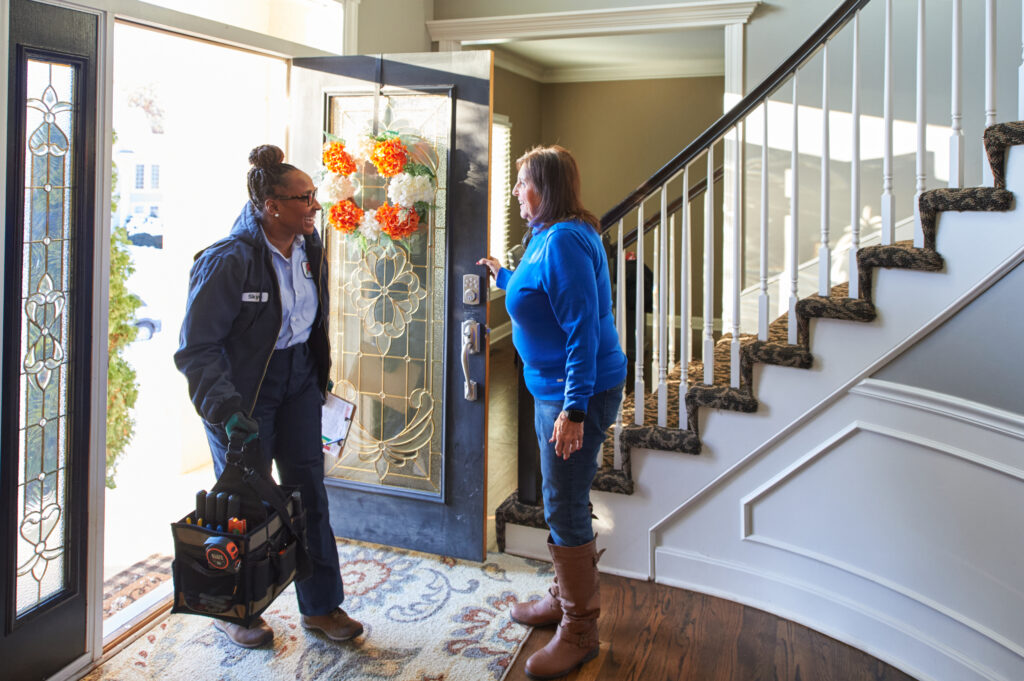
How to Winterize Your System
While professional maintenance is the most reliable way to protect your furnace long-term, there are steps you can take each fall to keep your system in shape:
- Clean around the furnace and make sure it has clear airflow
- Test your thermostat settings to ensure proper communication
- Seal drafty windows or doors to reduce heat loss
- Check for air leaks around duct connections if accessible
- Make sure your carbon monoxide detector has fresh batteries
These small tasks help your system run more efficiently and improve comfort throughout your home. While some steps are easy to handle on your own, others, such as evaluating airflow balance or identifying hidden duct leaks, may require a trained professional.
A technician can confirm your system is operating at peak performance and help you understand any areas that could be costing you comfort or energy.
Fall HVAC Preparation Tips
Winter in Kansas City can be unpredictable. Fall is the best time to get ahead. Add these steps to your seasonal home checklist:
- Schedule an HVAC tune-up with a licensed professional
- Confirm your furnace is producing steady, warm airflow
- Ask about your system’s age and long-term reliability
- Enroll in a maintenance plan for ongoing care and reminders
- Make sure your emergency heat settings are working, if applicable
- Inspect insulation around exposed ductwork for wear or damage
- Ask about indoor air quality add-ons like whole-home humidifiers or air purifiers
Even a quick visit from a qualified technician can extend the life of your system, improve energy efficiency, and give you peace of mind before the first freeze.
Turn to Us for Your Fall Furnace Tune-Up Needs
Anthony Plumbing, Heating, Cooling & Electric provides trusted furnace tune-up services throughout Kansas City, Kansas and Missouri. Our team has decades of experience with all types of HVAC systems and offers maintenance that keeps your equipment running safely and efficiently.
We’re here to help you stay ahead of the weather and avoid the discomfort and cost of mid-season breakdowns. With flexible scheduling and a focus on long-term reliability, we make fall HVAC preparation easy for homeowners across the region.
Don’t wait for the first cold snap to reveal a problem. Booking your tune-up now helps you beat the rush and ensures your furnace is ready when you need it most.
When your home’s plumbing begins to act up, a clogged main sewer line could be the hidden culprit. Left unaddressed, this issue can lead to costly repairs, property damage, and significant inconvenience.
Here’s how to spot the warning signs, understand the causes, and know when it’s time to call a professional like Anthony for help.
What Causes a Main Sewer Line to Clog?
Your sewer line is an important component of your plumbing system, responsible for transporting waste and wastewater from your home to the municipal sewer system or septic tank. Unfortunately, several factors can lead to blockages:
Tree Root Intrusion
Trees add beauty and shade to your property, but their roots can wreak havoc on your sewer line. Tree roots naturally seek out moisture and nutrients, and your sewer pipes provide an irresistible source.
- How It Happens: Tiny cracks or loose joints in the sewer line release moisture, attracting roots. Over time, these roots infiltrate the pipes, expanding and causing blockages.
- Why It’s Serious: Once inside the pipe, roots can grow and completely obstruct the flow of wastewater, often leading to pipe breakage or collapse. So, you need to determine how to get tree roots out of the sewer line before they become major issues.
Grease Buildup
While it might seem harmless to pour grease or cooking oil down the drain, this is a leading cause of sewer line clogs. As the grease cools, it solidifies and sticks to the walls of the pipes.
- What Happens Over Time: Layers of grease build up, narrowing the diameter of the pipe and restricting water flow.
- Hidden Culprit: Even if you rinse grease down with hot water, it can solidify further down the pipe where it cools, contributing to blockages over time.
Flushing Non-Flushable Items
Toilets are designed for one primary purpose—disposing of human waste and toilet paper. Unfortunately, flushing items like “flushable” wipes, paper towels, hygiene products, and cotton swabs can cause significant issues.
- Why It Happens: These items don’t break down like toilet paper. Instead, they accumulate in the pipes, eventually leading to clogs.
- Common Misconceptions: Even products labeled as “flushable” often fail to disintegrate, making them a frequent culprit in clogged sewer lines.
Pipe Damage or Sagging
Over time, sewer pipes can degrade, crack, or sag due to age, ground movement, or improper installation.
- How It Develops: In older homes, pipes made from materials like clay or cast iron are particularly susceptible to wear and tear. Sagging occurs when sections of the pipe settle unevenly, creating dips where waste accumulates.
- Resulting Problems: These dips and cracks make it easier for debris to collect, leading to repeated blockages.
Understanding the common causes can help you take preventive measures and minimize the risk of recurring sewer issues.
4 Warning Signs of a Clogged Main Sewer Line
Identifying the signs of a clogged sewer line early is critical to preventing costly repairs and avoiding major inconveniences. Here are four key indicators that you might have a problem with your main sewer line:
1. Slow Draining Fixtures
A single slow drain might just be a minor clog in the pipe connected to that fixture, but when multiple drains across your home—like sinks, tubs, or showers—start draining sluggishly at the same time, it’s a clear sign of a bigger issue. This often points to a blockage in the main sewer line, as the obstruction restricts the flow of wastewater leaving your home.
- What to Watch For: A gradual slowdown in water drainage is common, but a sudden, widespread issue should raise concern.
- Why It Happens: Common culprits include grease buildup, tree root intrusion, or flushed non-degradable items like wipes or hygiene products.
If you notice this happening throughout your home, it’s time to act.
2. Gurgling Sounds
Strange noises coming from your plumbing can be more than just an annoyance - they may indicate a developing sewer line problem. Gurgling sounds occur when air becomes trapped in your pipes due to a blockage.
- Where It Happens: Toilets are often the first place you’ll hear these sounds, but they can also occur in sinks and shower drains.
- What It Means: Air forced through the pipes because of a clog creates a bubbling or gurgling noise, signaling a disturbance in the normal flow of wastewater.
These sounds may initially seem harmless, but they’re often a precursor to more significant problems, such as sewage backups.
3. Sewage Backups
A sewage backup is one of the most unpleasant and alarming signs of a clogged main sewer line. If wastewater begins to flow back into your home, it’s a clear indication that the blockage is preventing proper drainage.
- How It Starts: Backups often appear in the lowest fixtures of your home, such as basement drains, ground-level toilets, or showers.
- Why It’s Serious: Backups not only cause property damage but also pose significant health hazards due to the bacteria and pathogens in the wastewater.
This is the most severe warning sign and requires immediate professional attention to mitigate damage and restore proper functionality to your plumbing.
4. Unpleasant Odors
A persistent sewage smell is a less obvious but equally important sign of a clogged main sewer line. When waste builds up in the pipes, the gasses it emits can escape through drains or even cracks in the sewer line.
- Where It’s Noticeable: The smell may originate from drains, toilets, or even outdoors near your yard where the sewer line is buried.
- Potential Consequences: These odors not only make your home uncomfortable but could also signal a larger issue, such as a crack or leak in the sewer pipe.
Ignoring these smells can lead to worsening blockages, pipe damage, or even environmental contamination.
Why Early Detection Matters
Addressing these signs as soon as they appear can save you time, stress, and expensive repairs. Waiting too long can lead to extensive damage, such as flooding, structural issues, or the need for a full sewer line replacement. If you notice any of these warning signs, call a trusted plumbing professional like Anthony to diagnose and resolve the issue before it escalates.
How to Fix a Clogged Sewer Line
If you suspect a clogged main sewer line, here’s what you should do:
- Avoid DIY Fixes: Using chemical drain cleaners or makeshift tools can damage your pipes and worsen the problem.
- Call a Professional Plumber: Experts like Anthony have the tools and expertise to diagnose and resolve sewer blockages safely and effectively.
- Request an Inspection: Professional plumbers often use cameras to inspect sewer lines, identifying the exact location and cause of the clog without unnecessary digging.
Ignoring the issue could result in substantial damage and costly repairs. Acting quickly is essential.
Why Choose Anthony for Sewer Line Repair?
With decades of experience serving Kansas and Missouri, Anthony is the trusted choice for reliable clogged sewer line repairs. Here’s why homeowners turn to us:
- Local Expertise: We understand the unique plumbing challenges faced by homes in Kansas and Missouri.
- Comprehensive Services: From sewer cleaning to installation and repair, we handle it all.
- Emergency Support: Our 24/7 live answering service allows you to reach us when you need help most.
- Community Focus: As a community-based company, we’re committed to providing top-quality service tailored to your needs.
Learn More
If your main sewer line keeps clogging or you’ve noticed signs of a sewer blockage, don’t wait. Call Anthony today at (913) 298-0444 or visit our plumbing pages for more information:
Having secure wiring in your home is crucial for both safety and functionality. Outdated electrical wiring can be harmful, leading to various hazards, including electrical fires and shocks. It's hard to know how old your home's wiring is without a professional to check it, but it can be done.
There are ways homeowners can identify components of outdated wiring themselves.
A Timeline of Electrical Wiring
Understanding the evolution of electrical wiring helps in identifying whether your home has outdated systems. Below is a timeline of electrical wiring types, along with tips on how to spot them in your home.
Knob & Tube System – 1880s-1940s
Knob & tube wiring consists of single-insulated copper conductors. Electricity passes through these conductors into porcelain insulating tubes and secured with porcelain knob insulators.
- Is knob & tube wiring safe to still be used today?
- No, it is not safe to use today. While it was state-of-the-art at the time, it lacks the capacity and safety features of modern wiring.
- How to identify:
- Look for ceramic knobs and tubes in the attic or basement, and wiring running through walls without an outer sheath.
Rag Wiring – 1940-1950
Rag wiring uses cloth insulation around the wires, which can become brittle over time.
- Is it safe to use today?
- No, as the insulation degrades, it poses a fire risk.
- How to identify:
- Check for fraying cloth insulation around the wiring, often visible in older fuse boxes or exposed wiring in basements.
Non-Metallic, Armored Cable Wiring – 1960-1965
This type features conductors encased in a flexible metal sheath.
- Is this type of wiring safe to use today?
- It can be safe but should be inspected regularly for signs of wear. Ideally, you should upgrade this type of wiring to Newer Romex, non-metallic wiring.
- How to identify:
- Look for metal-sheathed cables running into electrical boxes.
Aluminum Wiring – 1965-1973
Aluminum wiring was used in the mid-1960s and early 1970s. Most households switched wiring materials due to copper shortages and easy access to aluminum conductors.
- Is this type of wiring safe to use today?
- It can be hazardous, as aluminum expands and contracts more than copper, leading to loose connections and potential fires.
- How to identify:
- Check for the letters "AL" on the wire jacket, and the wiring itself may appear silvery rather than coppery.
Newer Romex, Non-Metallic Wiring – 1973 until the present day
Romex wiring consists of insulated conductors encased in a plastic sheath, widely used in modern homes.
- Is this type of wiring safe to use today?
- Yes, it meets modern safety standards. If it’s been in your home for more than 40 years, or there are clear signs of wear, then you should consider a rewiring service.
- How to identify:
- Look for plastic-sheathed wiring often labeled "NM" or "Romex."
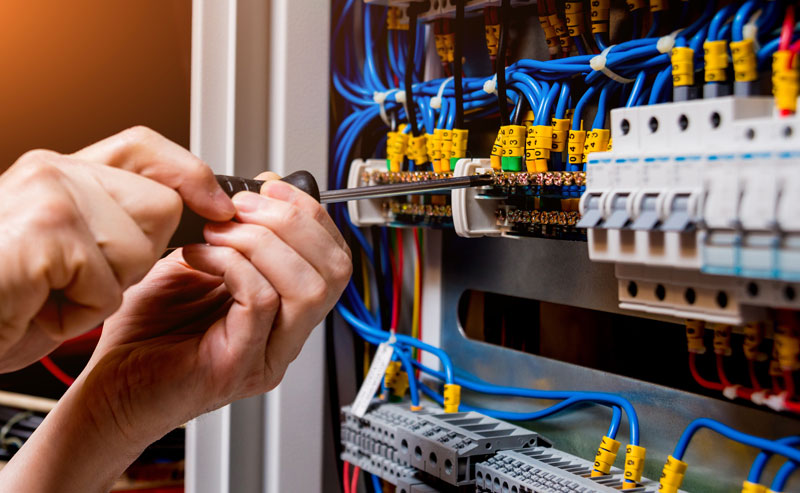
Signs You Might Have Outdated or Improper Electrical Wiring
Outdated or improper wiring can manifest in several ways, including:
- Flickering Lights: Indicates a poor connection or overloaded circuit.
- Burning Smells: A clear sign of overheating wiring or components, which are a fire hazard.
- Plastic or Metallic Odors: Could indicate insulation breakdown or overheating metal parts in your electrical system.
- Frayed Wires Visible: Exposed copper wires are a serious safety hazard.
- Loose Connections & Outlets: Can lead to arcing and electrical fires.
- Outdated or Broken Outlets: Old outlets may not support modern electrical loads safely.
- Electric Shocks From Outlets, Light Fixtures, or Switches: This indicates a serious wiring issue that can increase your risk of a fire.
- Blown Fuses: Frequent fuse blowing can indicate outdated wiring or overloaded circuit breakers.
- Excessive Extension Cord Use Throughout the Home: Suggests inadequate electrical outlets or circuits.
Avoiding a whole home rewiring when you have an older home can be dangerous. You are putting your belongings at risk of getting damaged from an electrical fire. You’re also putting your family’s safety at risk.
Updated wiring can prevent shocks, fires, and the stress of electrical issues across your home.
The best way to see if you’re due for a wiring upgrade is to get in touch with a qualified electrician. They can perform a thorough electrical inspection. This service ensures your wires and outlets are safe and up to electrical codes. An excellent electrician checks that all parts of your system meet electrical standards.
Anthony Plumbing, Heating, Cooling & Electric has licensed electricians who are always ready to schedule an inspection and make recommendations.
Schedule Your Rewiring Project With Anthony
If you suspect your home has outdated wiring, it’s essential to take action promptly. At Anthony Plumbing, Heating, Cooling & Electric, our electricians can inspect and rewire your home. We will update your electrical system quickly and safely, causing minimal disruption to your home and daily routine.
We use the latest tools and techniques to provide reliable and safe electrical services.
Don’t wait until it’s too late. Contact Anthony Plumbing, Heating, Cooling & Electric at (913) 298-0444 to schedule your rewiring project. Protect your home and your loved ones with professional rewiring services.