
BLOG
When Should You Get a Heating Inspection?

Schedule a professional heating inspection once a year, preferably in early fall before you start using your heat regularly. Your technician can check how the equipment starts, heats your rooms, and responds to the thermostat before you need it every day.
If your furnace or heat pump has started acting differently, don't wait for your next annual appointment. New noises, uneven heating, or repeated shutdowns are reasons to arrange service sooner.
The Best Time to Schedule a Heating Inspection
Early fall is a good time to have your heating equipment checked. Your furnace or heat pump has likely been sitting unused for months, and you want to know it will start and heat your house when temperatures drop.
If it's been a year or longer since your last heating check, schedule service even if everything seems fine.
Anthony provides heating maintenance in Kansas City for homeowners preparing for winter. You can handle some fall HVAC prep yourself, such as checking your thermostat settings and replacing a dirty filter.
Already into winter? You can still arrange an inspection. There's no reason to wait until next fall if your equipment is overdue for service.
When You Should Get Your Heating System Checked Sooner
Some heating problems show up before your equipment stops working. If you've noticed a change, tell us about it when scheduling so we can arrange the appropriate visit.
Watch for:
- Uneven heating: Some rooms stay cold while others warm up normally.
- Weak airflow: Less warm air comes through your vents.
- Frequent cycling: Your system turns on and off repeatedly or struggles to reach the thermostat setting.
- Unusual sounds or odors: New rattling, banging, or persistent smells.
- Higher bills: Heating costs rise without a clear change in weather or use.
- Unknown service history: You've moved into a home without maintenance records.
Our article on signs your furnace needs a repair explains other symptoms that point to trouble with your heating equipment.
These symptoms can involve worn parts, airflow restrictions, or controls that aren't responding correctly. A technician will need to check the equipment to determine the repair.
If your heat stops working during freezing weather, call Anthony about emergency heating repair. If you suspect a gas leak or your carbon monoxide alarm sounds, leave the house immediately and contact emergency services or your gas utility from outside.
What Does a Professional Heating Inspection Include?
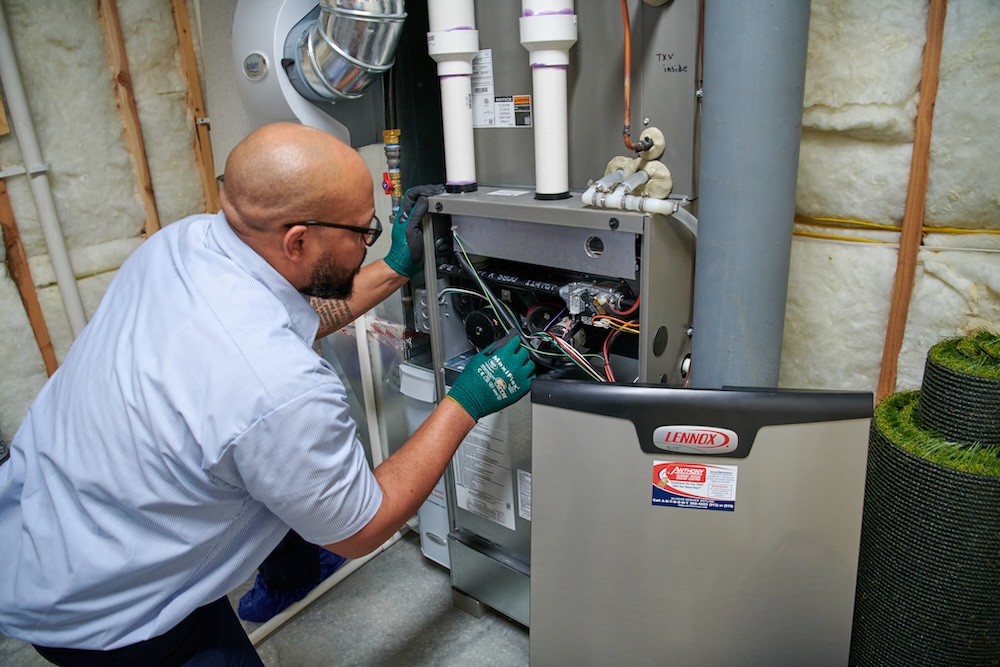
During a heating system inspection, we look at how your equipment starts, produces heat, and shuts down. We also check the parts that protect your system during operation.
The work depends on what heats your home:
- Gas furnaces: Burners, ignition, heat exchanger condition, venting, safety controls, and airflow.
- Electric furnaces: Heating elements, electrical connections, controls, and airflow.
- Heat pumps: Heating operation, airflow, outdoor equipment, defrost controls, and electrical components.
- Boilers: Heating operation, visible leaks, controls, pressure-related concerns, and safety components.
We check thermostat operation and look for wear or damage that could interfere with heating. If you've noticed a problem in one room or your system has been shutting down, tell us so we can check those concerns during the visit.
Cleaning, adjustments, and repairs depend on the service you've scheduled and what we find. We'll explain any additional work before proceeding.
Schedule A Heating Inspection With Anthony PHC
Anthony has served Kansas City-area homeowners since 1951. Our technicians inspect furnaces, heat pumps, boilers, and other heating equipment throughout the Kansas and Missouri sides of the metro.
If you're due for a home heating inspection, tell us what equipment you have and when it was last serviced. If you've noticed unusual operation, describe the symptoms when booking.
Anthony's HVAC maintenance program is a great option for homeowners who want help keeping up with regular heating care.
Frequently Asked Questions
Yes. Your furnace or heat pump can develop problems that aren't obvious during everyday use. A worn electrical connection, dirty component, or safety-control issue might not change how your rooms feel right away.
An annual inspection gives a technician a chance to check equipment condition and operation before you depend on it throughout winter. Follow your manufacturer's service recommendations.
Not exactly. An inspection focuses on checking your heating equipment for wear, operating problems, and safety concerns. A tune-up includes maintenance work such as cleaning applicable components, checking filters, and making adjustments.
Some appointments combine both services. When scheduling with Anthony, ask what's included so you know which checks and maintenance tasks the technician will perform.
You can handle basic checks, such as looking at your thermostat settings, inspecting an accessible filter, and keeping heating vents clear. These help you spot simple problems around your equipment.
Leave internal electrical connections, gas components, burners, and safety-control testing to a qualified technician. If your system has stopped heating or shows unusual symptoms, describe the problem when you call Anthony.