

Kansas City weather demands a lot from your HVAC system. Hot, humid summers push air conditioners to their limits, while snowy winters keep furnaces working hard. Spring and fall bring thunderstorms, high winds, and the kind of seasonal swings that test every part of your home’s comfort system. When small HVAC warning signs appear, they are often signals of larger problems waiting to surface. Catching them early helps protect your home and avoid costly repairs.
HVAC Warning Signs You Might Notice at Home
Between summer AC strain and winter furnace prep, homeowners across Liberty, Kearney, and Platte City often see these red flags:
- Rattling or banging noises when the system starts or shuts down. Loose parts may not seem serious at first but ignoring them can lead to bigger damage inside the unit. The noise also tends to get worse during storm season when debris finds its way into outdoor equipment.
- Uneven temperatures between upstairs and downstairs rooms. Families in two-story homes in Parkville and Smithville often notice bedrooms that stay hot in the summer or cool unevenly in the winter. This is usually a sign of airflow or duct problems that won’t fix themselves.
- Higher energy bills without extra usage. If your utility bills are climbing, your system may be losing efficiency. Aging equipment in neighborhoods like North Kansas City or Plattewoods often has to work harder to deliver the same comfort.
- Musty or damp odors from vents. Humidity in Kansas City summers can cause mold or mildew buildup inside ducts and coils. Homeowners in Riverside or Weatherby Lake often notice this first when the AC is running after a stretch of rainy days.
- Short cycling, or frequent on-and-off cycles. This can make your home feel uncomfortable and put extra stress on the system. Storm-related electrical issues are often the cause, especially during spring and fall transitions.
Even minor issues can be early signs of serious trouble.
What’s Really Going On With Your HVAC System
Each of these warning signs has a common root cause:
- Rattling noises - loose parts, failing fan blades, or storm debris inside the system
- Uneven temperatures - duct leaks, poor airflow, or outdated zoning controls
- Higher bills - aging system losing efficiency or corrosion on coils
- Musty odors - dirty coils, clogged filters, or early mold growth
- Short cycling - thermostat issues or electrical damage from thunderstorms
- Breaker trips and flickering lights - strain on electrical systems during peak use
In areas like Weatherby Lake, Houston Lake, and Lake Waukomis, power surges from storms can add to HVAC stress, creating issues that are more than just mechanical.
Recommended Fixes From Anthony Experts
With decades of experience serving Kansas City, Anthony Plumbing, Heating, Cooling & Electric provides solutions that keep systems reliable year-round:
- Seasonal HVAC tune-ups and inspections to tighten loose parts, test system performance, and prepare equipment for the season ahead. Regular tune-ups extend the lifespan of your system and prevent unexpected breakdowns.
- Duct balancing and sealing for even airflow throughout the home. This not only improves comfort but also reduces wasted energy from leaky ducts.
- Efficiency checks and system upgrades to help manage rising utility costs. Our team can spot when older systems in places like Excelsior Springs or Weston are no longer running at their best.
- Cleaning and replacement of coils and filters to eliminate odors and improve air quality. A clean system works more efficiently and helps keep your family healthier.
- Whole-house generators Kansas City families rely on when power goes out. A generator keeps heating and cooling systems running during thunderstorms or snowstorms, protecting both comfort and safety.
- Electrical repair and surge protection to guard against thunderstorm-related damage. This service protects both your HVAC system and your home’s overall electrical system from costly damage.
Kansas City Climate and Seasonal Service Recommendations
Every season in Kansas City creates its own challenges for home comfort:
- Spring: Severe thunderstorms make surge protection and storm preparation essential. A spring duct inspection helps catch leaks before allergy season makes them worse.
- Summer: AC tune-ups keep systems from failing during heat waves. In Liberty and Platte City, high-efficiency systems are especially valuable when temperatures soar for days at a time.
- Fall: Furnace maintenance Kansas City homeowners depend on prevents problems when the first cold front hits. Duct checks are especially important before the heating season begins, since sealed ducts improve both comfort and efficiency.
- Winter: Heating system safety checks provide peace of mind during freezing nights. In Kearney and Riverside, emergency repair readiness ensures your home stays safe when temperatures drop below zero. Humidity control also keeps homes more comfortable and protects woodwork from drying out.
By planning service around the seasons, families across Kansas City stay ahead of weather changes instead of reacting to emergencies.
Areas We Proudly Serve
Anthony Plumbing, Heating, Cooling & Electric is rooted in Kansas City and trusted across the region. From Liberty and Kearney to Plattewoods and Weston, and from Riverside to Weatherby Lake, our team delivers dependable comfort solutions year-round. If you live near Lake Waukomis, Houston Lake, or the historic streets of Northmoor, we bring community-focused service and decades of expertise to every visit.
Protect Your Home Before the Seasons Change
Kansas City weather changes fast, and the best way to stay comfortable is with a system you can count on. Fall is the time to schedule your HVAC tune-up, get your furnace ready before the first freeze, and take care of the electrical upgrades or backup power that keep your home safe during storms. From heat waves to snowstorms, our team is here to keep your home running reliably through every season. Call today to book your fall service.
Noticed warning signs we helped fix before the next season hit? Tell us about it! Your feedback keeps our Kansas City HVAC team at its best. Leave your review here.
Your HVAC system is the heart of your home, keeping you cool in the summer, warm in the winter and comfortable all year. But what happens when it starts breaking down? Should you call for HVAC repair or is it time for a full HVAC replacement?
Knowing the right time to repair vs. replace can save you money, improve efficiency and prevent untimely breakdowns. Here’s what Kansas City homeowners should look for.
Age of Your HVAC System
Most HVAC systems last 10 to 15 years with proper maintenance. If yours is approaching this age, you may want to plan for a replacement. Kansas City weather swings — icy winters and hot, humid summers — put a lot of strain on heating and cooling systems, so they may wear out sooner if not regularly serviced.
Annual AC and furnace tune-ups not only extend your system’s lifespan but also keep your manufacturer warranty valid.
Rising Energy Bills in Kansas City Homes
If your energy bills are climbing but your usage hasn’t changed, your HVAC system may be running inefficiently. Kansas City homeowners often notice this during extreme temperature swings when older systems struggle to keep up.
New energy-efficient HVAC systems can significantly reduce your monthly bills while keeping your home more comfortable.
HVAC Repair Costs vs. Replacement
A helpful guide is the “$5,000 rule.” Multiply the repair cost by your system’s age. If the number is over $5,000, HVAC replacement is usually the smarter move.
For example:
$700 repair x 12-year-old system = $8,400 ➝ Replace
$250 repair x 5-year-old system = $1,250 ➝ Repair
If you’re paying for frequent repairs, it may be more cost-effective to invest in a new HVAC system.
Outdated Refrigerant (R22) Systems
If your HVAC unit was installed before 2010, it might use R22 refrigerant, which is no longer manufactured. Repairs for these systems are costly and inefficient.
Replacing your HVAC with a modern system that uses eco-friendly refrigerant ensures easier maintenance and lower long-term costs.
Frequent Breakdowns and Emergency HVAC Repairs
Constant breakdowns are a clear sign your system is nearing the end of its life. Homeowners know how uncomfortable it is to be left without heat during a snowstorm or without cooling in July. If you’ve had multiple repair calls in the past year, replacement is usually the better option.
Comfort Issues: Uneven Heating and Cooling
Older HVAC systems often fail to keep up with demand, leaving hot and cold spots in your home. Noisy operation, rust or inconsistent temperatures are all signs that replacement may be necessary.
When HVAC Repair Makes Sense
Not every problem requires a full replacement. Common issues that are often fixed with a simple
HVAC repair include:
- Malfunctioning thermostat
- Blown fuse or capacitor
- Clogged air filter or ductwork
- Electrical connection issues
If your system is under 10 years old and the repair is minor, HVAC repair is usually the best choice.
Choosing the Right HVAC Replacement in Kansas City
When replacement is necessary, it’s important to install the correct size system for your home. An undersized unit will run constantly, while an oversized one will short cycle, wasting energy.
Kansas City homeowners should work with a trusted HVAC contractor to ensure proper sizing and installation.
A professional will also guide you toward the most energy-efficient HVAC system for your home and budget.
Final Thoughts: Repair vs. Replace Your HVAC System
Deciding between HVAC repair and replacement depends on your system’s age, efficiency, repair costs, and comfort level. While repairs may buy you more time, eventually replacement becomes the smarter financial choice.
- A new HVAC system will:
- Lower your energy bills
- Improve comfort year-round
- Provide peace of mind during extreme weather
Contact Anthony for trusted HVAC repair and replacement in Kansas City. Our expert technicians will help you decide whether repair or replacement is the right choice for your home. Call us today at (816) 320-6950.
Did our HVAC experts help you make the right call on repair or replacement? We’d love your feedback! Leave us a review here.
If this sounds familiar to you and you’re at your wits’ end, and you’ve had enough of your AC keeping you up at night, then it is about time that you distinguish what type of noise you are hearing.
You should never try and fix your air conditioner by yourself. Otherwise, you could potentially cause damage to the unit and to yourself. Always count on an Anthony HVAC technician to educate and lead you to a properly working AC unit.
Is the noise banging, buzzing, clicking, humming, or screeching? Read more to determine the different sounds your AC is making and learn what they mean.
1.) Bang, Bang AC
Banging sounds coming from your AC can represent the fact that something inside the unit is loose and may need tightening. It is not recommended that you open your unit by yourself, especially if you are not an expert in the HVAC craft.
2.) Buzzing AC
Buzzing sounds may indicate many issues that involve a loose part, or perhaps an air filter that needs to be changed. If the AC filter needs to be changed, this can be completed by the homeowner as long as new filters and directions are on hand.
3.) Clicking AC
This instance is not a usual occurrence. If you hear constant clicking, there could possibly be a malfunction inside of your unit, or perhaps the thermostat is failing or failed. This issue should not be handled alone.
Call Anthony and our general contractors to address the noisy clicking sounds to reestablish your nightly and daily routine.
4.) Humming AC
Luckily, if your AC is humming, and it does this every now and then, it usually isn’t an issue. If the sound is constant, then it could potentially be an electrical issue.
An HVAC expert can examine your air conditioner motor and wiring inside, as loose wires could also be contributing to the humming AC noise.
5.) Loud Pitched Screeching and Screaming
At this point, the best thing you can do to save your unit is to immediately turn off your AC and call Anthony, a Kansas City general contractor, who can properly diagnose your problem. A loud-pitched scream deriving from your air codntioner can point to a refrigerant leak.
You will need to act quickly. Otherwise, your AC parts inside could become damaged, and your family’s health could be compromised from breathing in the harsh chemicals that relate to the refrigerant leak.
AC replacements can be a costly experience. It is always a wise plan to address the problem before your unit needs to be fully replaced.
Any noise that comes from your air conditioner needs to be addressed and investigated sooner rather than later. If you want to avoid paying a lump sum and plan to preserve optimal health for you and your family.
The Anthony Kansas City specialists will be able to help you keep your AC in tip-top shape throughout the entire year. Click here to learn more about our air conditioner repair and replacement services today.
Waking up to find that your central air conditioning system isn't blowing cool air—or any air at all—through your home's vents can be incredibly frustrating. This issue can make your home uncomfortable quickly, especially during hot weather.
Understanding the potential causes and knowing how to address them can save you time and discomfort.
Common Reasons Why AC Isn’t Blowing Cool Air
When your AC fails to emit cool air, several factors could be to blame. Let's delve deeper into the usual suspects:
- A key culprit in many AC issues is a clogged air filter. Airflow becomes restricted, causing your system to work harder, which diminishes both efficiency and effectiveness in cooling your home. Regularly checking and replacing the air filter can prevent such issues and help maintain your system's performance.
- Incorrect thermostat settings or malfunctioning can lead to your AC not blowing air at all. Sometimes, it could be as simple as needing new batteries or resetting the thermostat to ensure it communicates correctly with your AC system.
- The coils in your AC can freeze if the system is overworked or there is insufficient airflow due to a clogged filter. Frozen coils cannot effectively transfer heat, resulting in no air passing through to cool.
- Closed vents can impede the flow of cool air through your home. It's vital to ensure all vents are open and unblocked to maintain consistent air distribution.
Extended use and lack of maintenance can exacerbate these issues, making regular service checks essential for keeping your AC running smoothly.
Other Reasons Why My AC Is Not Working
Beyond the common reasons, other issues might affect your AC's performance, adding to common central air problems:
- Any leaks within your ductwork can be detrimental to the system’s efficiency. Leaking ducts allow cool air to escape, reducing overall system effectiveness and increasing your energy bills.
- Refrigerant levels that are too low cannot adequately remove heat from the air, making the AC less effective. This issue requires professional handling to ensure proper refilling and sealing of any leaks.
- Fans responsible for circulating air throughout your home can fail, resulting in no air movement despite the system running.
- AC units depend heavily on their electrical systems functioning correctly. Faulty wiring or a bad capacitor can prevent the unit from starting or operating efficiently.
Identifying and addressing these issues promptly with the help of a professional can help keep your AC in optimal working condition.

How Does A Central Air Conditioner Work
A central air conditioner or central conditioning system works by cycling refrigerant between two sets of coils (indoors and outdoors) to remove heat from your home. Here’s a simplified breakdown of the process:
- It all starts when you set the thermostat. This tells your AC system that cooling is needed.
- Inside your home, the indoor unit’s evaporator coil contains a cold refrigerant that absorbs heat from the indoor air as the air handler blows it over the coil.
- The now warm refrigerant is pumped outside to the condenser coil where it releases the absorbed heat into the outdoor air.
- As the indoor air loses heat, it cools down and is sent back into your house through the ductwork.
- The refrigerant, having released the heat, cools down again and cycles back to absorb more heat from the indoor air.
- As part of cooling the air, the system also reduces humidity levels inside your home, which further enhances comfort.
This cycle continues until the indoor temperature reaches the desired level set on the thermostat, ensuring your home stays comfortably cool.
Each component of the system, from the thermostat to the evaporator and condenser coils, plays a crucial role in the effective and efficient operation of your air conditioning.
How Long Does A Central Air Conditioning Unit Last?
The lifespan of a central air conditioning unit typically ranges from 10 to 15 years. Several factors influence this duration, including the brand, model, usage patterns, and how well the unit is maintained.
As your AC ages, its efficiency can decline, leading to higher utility bills and more frequent repairs.
Here are compelling reasons to consider upgrading your old air conditioning system:
- Modern air conditioners are designed to be significantly more energy-efficient, which can substantially lower your energy expenses.
- Newer models are more effective at cooling your home, providing consistent temperatures and improved comfort.
- Advanced AC systems often feature improved design and technology, which can mean fewer mechanical failures and lower maintenance costs.
- Today’s systems often incorporate better filters and technologies that purify the air, to improve the overall air quality in your home.
Considering these benefits, upgrading to a newer model can be a wise investment, especially if your current unit is nearing the end of its useful life.
Protecting Your System
When it comes to maintaining your air conditioning system, avoiding common problems is more than just a good idea. It saves you money in the long run from urgent and expensive repairs.
To prevent central air conditioning issues as much as possible, and ensure your system runs smoothly, here are some key tips:
- Regular maintenance by a professional HVAC technician can extend the life of your HVAC system and help it run more efficiently. This often includes cleaning or replacing filters, checking for refrigerant leaks, and inspecting electrical components.
- Keep an eye on your AC's circuit breaker. Tripping may indicate an underlying issue that needs addressing to prevent more significant problems.
- To maintain energy efficiency, seal ductwork and ensure your home is well insulated. This will help your AC unit blow cold air more effectively and reduce unnecessary strain on the system.
- Address any issues promptly. Delaying AC repairs can lead to more significant problems, higher repair costs, and potential system breakdowns.
By following these tips, you can help prevent common air conditioning problems and maintain a cool, comfortable environment in your home.
Schedule An Air Conditioning Repair With Anthony Plumbing, Heating, Cooling & Electric
If you're experiencing issues with your central AC, don’t hesitate to contact us at Anthony Plumbing, Heating, Cooling & Electric.
We specialize in diagnosing and resolving all types of air conditioning problems. Our skilled technicians are equipped to handle everything from routine maintenance to complex repairs.
Schedule an appointment for our central air conditioning services by calling (913) 298-0444. Let us help you keep your cool all summer long.
As homeowners look for effective ways to cool their homes, understanding the options and benefits of modern air conditioning units is crucial.
With temperatures starting to rise this month, it’s the perfect time to start thinking about upgrading your current cooling system.
Commons Reasons To Upgrade Your Current AC System
The decision to upgrade or install a new cooling system is often driven by a variety of factors.
Here, we explore the common reasons that prompt homeowners to consider this important home improvement:
- Save Money with Efficient New Units: New AC units use less energy than older ones, which means your electricity bills can be lower each month.
- Stay Comfortable and Breathe Easier: New AC models cool your home more evenly and control humidity better. They also filter the air to reduce dust and other harmful particles.
- Help the Environment: New air conditioners are better for the planet. They use special materials that do less harm to the ozone layer and consume less energy.
- Enjoy New Technology: Modern ACs have useful features like setting the temperature with your phone or getting alerts when something needs fixing. These help your AC work better and last longer.
- Replace Old Units Before They Break: Air conditioners usually last 10-15 years. As they get older, they break down more, and fixing them can get expensive. Getting a new one can save you money over time.
- Make Your Home Worth More: If you put in a new and efficient AC, it can make your house more valuable, especially if you want to sell it someday.
- Stay Up-to-Date with Rules: Laws about ACs change, especially about energy use and the materials they use. New ACs meet these rules, so you won't have problems later.
- Fit Your Family's Needs: If your family gets bigger or your needs change, you might need a different size or type of AC to cool your home the best way.
Understanding these reasons can help you assess whether it's time for an upgrade or a new installation.
Are New AC Units More Efficient?
Modern air conditioners are significantly more efficient than older models. Efficiency is measured in Seasonal Energy Efficiency Ratio 2 (SEER2) and Energy Efficiency Ratio (EER).
New units typically have higher SEER2 and EER ratings, meaning they use less energy to provide the same cooling, reducing your utility bills and environmental footprint.

Understanding the 4 Types of Air Conditioning Systems
Central Air Conditioners: These systems use a network of ducts to distribute cool air throughout your home. They are ideal for whole-house cooling and are more efficient for larger spaces.
Ductless Mini-Split Systems: Best for cooling specific rooms or small spaces, these systems do not require ductwork, making them easier to install in certain homes.
Window Units: A convenient option for single-room cooling. These are easy to install but are less efficient for larger spaces.
Portable Air Conditioners: Similar to window units, these are standalone units that can be moved from room to room. They are versatile but less efficient than other systems.
Air Conditioning FAQ: Making the Right Choice
Q1: What should I consider when buying an air conditioner?
- Size and Capacity: Ensure the unit is correctly sized for your space to maximize efficiency.
- Energy Efficiency: Look for higher SEER2 and EER ratings.
- Cost: Factor in both the upfront cost and long-term operating costs.
- Features: Consider additional features like programmable thermostats, noise levels, and air quality enhancements.
Q2: Central Air vs. HVAC: What's The Difference and Which Is Better?
Both of these systems serve similar but distinct purposes. Central AC is solely designed for cooling, featuring an outdoor compressor and indoor evaporator that work together to circulate cool air through ducts.
On the other hand, HVAC systems encompass heating, cooling, and ventilation. While more expensive than simply investing in a central air for your home, this system can better control the environment in your home.
When temperatures fluctuate between warmer days and cooler nights in the spring and fall, an HVAC system can help keep your home at a more comfortable temperature.
Some HVAC systems also include options for humidity control, which can lead to better indoor air quality conditions throughout the year.
The choice between the two hinges on your specific needs: Central AC is cost-effective for cooling-only requirements, whereas more expensive HVAC systems offer a comprehensive and efficient solution for year-round temperature control.
Ultimately, the decision depends on the specifications of your home, your budget, and your personal preferences for comfort and energy efficiency.
Q3: How do tax credits influence my purchasing decision?
- Tax Credit Availability: In Kansas City, certain high-efficiency models qualify for tax credits, reducing your overall cost.
- Qualifying Models: Look for models that meet the specified efficiency criteria to be eligible for these credits.
New Tax Credit Available in Kansas City
The Fiscal Cliff legislation has reintroduced the 25C tax credit, offering homeowners up to $500 for installing high-efficiency air conditioning systems. This credit covers:
- Air Conditioners and Heat Pumps: Up to $300 for systems meeting the highest efficiency CEE tier as of January 1, 2009.
- Furnaces and Boilers: Up to $150 for natural gas, propane, or oil systems with an AFUE of not less than 95%.
- Advanced Main Air Circulating Fan: Up to $50 for fans in specific furnace types.
Discover Reliable Air Conditioning Services In Kansas City
Choosing the right air conditioning system involves considering factors like efficiency, size, cost, and the system that best fits your home. Additionally, residents in Kansas City can take advantage of tax credits for high-efficiency systems.
Anthony Plumbing, Heating, Cooling & Electric is ready to help you make an informed decision on your next cooling system upgrade. Call us at (913) 298-0444 to learn more and schedule an air conditioning replacement.
Nothing tests the limits of your AC unit like a heatwave, and when a heatwave hits, it spares no one! That is when heating and cooling companies like Anthony Plumbing, Heating, Cooling & Electric are the busiest serving suffering homeowners.
The following tips are good to know, especially when you are waiting for your cooling technician to arrive. They may help prevent your AC from breaking down altogether.
Technicians Cannot Fix a Frozen AC Unit! Let it Thaw Before they Arrive
We hear this a lot: “My AC unit is running but no cool air is coming out of the vents!” The most typical cause of AC troubles is a frozen coil. The coil must thaw before your technician can repair it.
If warm air is coming out of your vents, turn the AC off and turn the fan on. This will let the unit thaw out, hopefully before your technician arrives, so it can be repaired quickly.
There are many reasons why your AC unit may be freezing up or not cooling. Air conditioners need proper airflow to keep the cold coil warm. Warm air from the home is needed for the coil to stay cold and keep the temperature above freezing.
Without it, coils freeze before the condensed water can be drained away from the unit.
Since dirty air filters and closed air registers can impede airflow, it’s a good idea to check the air filter and make sure the registers are both clear and open.
A freeze-up can also be caused by low refrigerant and improper fan operation. Low refrigerant levels make the coils too cold, and a faulty fan prevents air from moving.
Faulty thermostats and drainage problems are often the cause of a freeze-up. In the cooling process, an AC unit condenses water vapor into a liquid that drains outside.
If the coils are frozen, the ice will cause a blockage for the drain hole. The AC still runs but doesn’t properly cool the home and uses a lot more electricity.
Keep in mind that running an air conditioner with frozen coils can lead to extensive damage to the compressor. This is the most expensive part of an AC unit, and it’s not a repair or replacement that you want to face.
AC Units Can Only Cool up to 20 Degrees Cooler than the Outside Air
If your AC is working, but you wish it was working better, it just might not be possible. Generally speaking, an air conditioning system is designed to accommodate up to a 20-degree difference between the outside air and inside air while still keeping your home at a comfortable 55% humidity level.
This means that if it is 100 degrees outside, it will be nearly impossible to reach 70 degrees inside without the AC unit working completely overtime and causing problems such as excess humidity.
A good rule of thumb is during the hottest days when the dial reaches 100 degrees is to set your AC to somewhere between 75 and 80 degrees.
You can also supplement that slight temperature difference with closed curtains on the sunny side of the building, running ceiling fans, and portable fans in rooms in which people are present.
Check Your Furnace and Furnace Filter
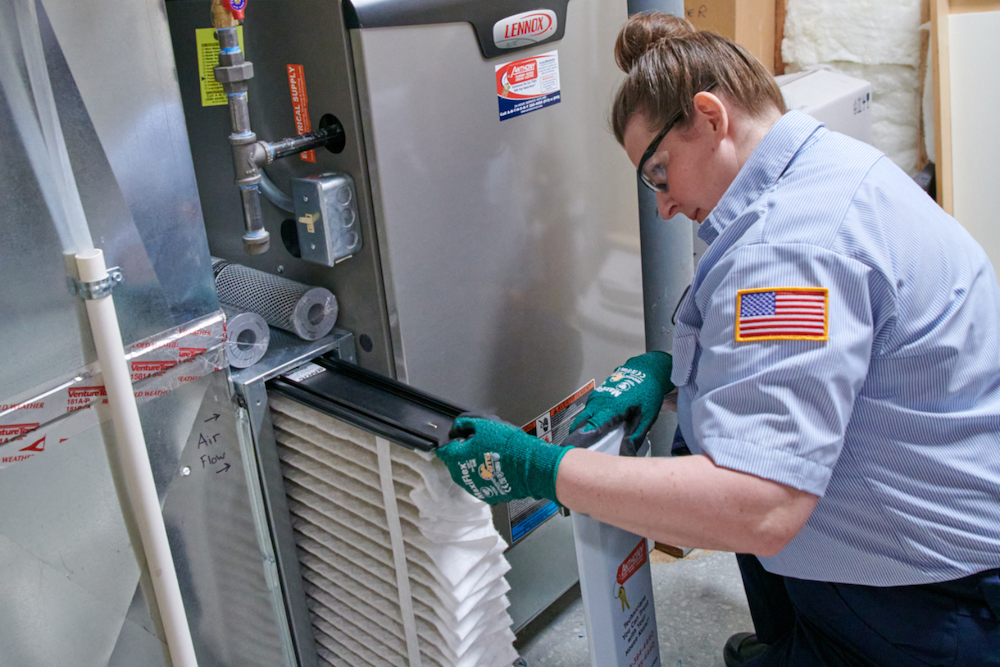
The fan in your furnace is what circulates the cool air from your central AC unit throughout your home. Check your furnace – if the fan isn’t running, make sure your furnace is turned on, or check your breaker to the furnace and ensure that it has not been tripped.
If the fan is running, check your filter. You will have to turn the fan off to do this. For a step-by-step guide, watch our YouTube video.
At a minimum, you should be changing the filter once every 3 months, and as often as once a month if your system is running all the time. Neglect this chore, and a dirty filter can lead to poor air flow or freezing up of your unit’s evaporator coil.
Take Full Advantage of Fans and Blinds
Any type of fan, but especially ceiling fans, can help keep cool air circulating throughout your home. That removes some of the burden from your AC system.
Just be sure your ceiling fans are turning counterclockwise during the summer, which promotes greater airflow.
Bright sunlight is your AC system’s nemesis.
By closing blinds and sliding curtains to block the sun’s rays, especially in the south and west-facing windows, you’ll also shield your space from the sun’s heat.
Keep Doors Closed, Especially the Garage Door
Your garage door is the biggest door in your house, so if your garage is attached to your home, keep your garage door closed. Many attached garages are being cooled by your AC unit, and you don’t want that conditioned air to escape.
Even non-cooled garages should be kept shut, so heated air cannot enter your home and cause your AC unit to have to work harder.
If you keep your car in your attached garage, limiting trips during a heatwave can help preserve the cool air in your home. Driving a car with a hot engine into your cooled garage puts an extra load on your AC unit.
Dehumidify to Help your AC Keep you Cooler
The more humidity that is present inside your home, the harder your air conditioning system will have to work, and the less effective it will be. Adding a whole home or a stand-alone dehumidifier can go a long way to keeping you cooler and protecting your home from the damaging effects of too much humidity.
Signs that your home may be too humid are:
- The air in your home feels moist.
- There is a damp or musty smell in parts of your home.
- Your windows are foggy.
For the summer months, a humidity level below 60% is recommended by most experts for indoor comfort. The most efficient and reliable way to manage the moisture in your home is to have an Anthony technician install a dehumidifier directly on your HVAC system.
The dehumidifier will work with your AC system to pull excess water from the air before it is sent through the air ducts in your home.
Alternatively, you can purchase a stand-alone dehumidifier and manage the humidity level using a manual humidity level indicator. But unless you place your unit directly over a drain, you will have to empty the reservoir every time it fills up and activate the shutoff switch.
Did you remember to turn your whole-home humidifier off for the summer? If you have a humidifier installed in the ductwork by your furnace, make sure it is in summer-mode, and that the humidifier knob is turned completely off.
Like a nice hot shower? Not during a heatwave, please. Any kind of shower adds moisture to your home, causing your AC to struggle more, so avoid them on the hottest days. If you must take a shower, use cool water and make it quick, and turn on your exhaust fan.
Have Your System Serviced Annually
Well duh, now you tell us! But really, rather than wait until a heatwave, please get your AC unit checked and serviced NOW. We are here night and day to schedule your AC tune-up.
Call (913) 298-0444, or click here to schedule online.
Your AC and furnace systems need to be in good working order as they are responsible for keeping your home cool and warm year-round. A well-maintained AC and furnace also provide you with cleaner indoor air, lower energy bills, and a safe home.
How much maintenance do your AC and furnace need, and what should that maintenance entail?
How Often Should You Tune Up Your AC and Furnace?
Your AC and furnace systems need maintenance to keep their components clean and working properly. Over time, dirt builds up in the coils, fans, filters, and other components causing your AC and furnace to work harder.
An AC and furnace system that is working harder has a shorter lifespan and uses more energy. Annual maintenance can extend their life by several years, as well as save you up to 15 percent a month on your energy bills.
What happens if you skip a year of AC and furnace maintenance? By delaying your annual AC and furnace tune-up, you are taking a risk that saving money in the short run will not cause your system to need costly repairs or premature replacement. Worse yet, you risk the possibility that your system may stop working during the hottest or coldest days of the year when they work the hardest.
The Top Four Reasons Annual Tune-Ups are Recommended
-
Save on electricity and gas usage to lower energy bills and reduce environmental impact.
- When you do not maintain your HVAC system's health, it will run less efficiently, meaning your cooling or heating (electric or gas) bills will be higher than they should be. Excessive energy consumption places an unnecessary burden on the environment.
-
By paying a little now you can keep warranties intact and prevent spending more later.
- According to Consumer Reports, a heating and cooling system lasts about 10 to 15 years. You shorten the lifespan and possibly void warranties if you do not maintain your system annually. Over time, air conditioner coils become dirty, which makes them less efficient. In addition, this will cause the AC to run longer, resulting in increased energy cost and reduced lifespan of the equipment.
- Most air conditioner and furnace manufacturers require regular maintenance to fulfill their warranties. They may also require documented annual maintenance by a professional HVAC technician.
-
Avoid having your air conditioner or furnace break down at the worst time.
- Neglecting to maintain your air conditioner and furnace is like neglecting to take care of your car. The longer you wait, the more likely something is to break, costing you more in the long run. For example, not changing your filter can cause the air in your home not to be clean. It puts strain on the system and can lead to costly repairs like a blower motor failure.
- Faulty electrical connections. Over time, electrical connections can loosen and cause unsafe operation of your system and reduce the life of major components.
-
Keep your family safe from fires and carbon monoxide poisoning.
- The National Fire Protection Association reported a total of 54,030 home structure fires involving heating equipment between 2011 and 2015. Central heating units and water heaters accounted for 21 percent of those fires. Tune-ups performed by a highly-trained HVAC specialist, like Anthony PHCE employs, can detect equipment problems and gas leaks before they become a fire hazard.
- The Centers for Disease Control and Prevention (CDC) reports that over 150 Americans die every year from accidental carbon monoxide (CO) poisoning that is not caused by fires. Known as a silent killer, CO has no smell or taste, so neither people nor animals can tell when they are breathing it. Having your furnace checked annually will allow you to detect CO leaks before they become dangerous.
Many homeowners do not realize the proactive steps that can be taken to keep their systems running at optimum capacity and avoid breakdowns at inconvenient times. Scheduling preventative maintenance on your HVAC system is essential and many do not realize the vast benefits.
Some feel that calling a technician to examine your system when nothing seems wrong is a waste of time and money. However, waiting until you experience problems is the least efficient way to maintain your system and often ends in more costly repairs and wasted time.
What Should be Included in an AC and Furnace Maintenance Tune-Up Visit?
During your preventative maintenance visit with Anthony PHCE, the technician will ask questions about how the system has been running and anything you want them to pay special attention to during the tune-up.
When performing an air conditioning tune-up, they will conduct a 360-degree evaluation, focusing on 16 efficiency and safety items. They will ensure the system is operating efficiently and advise you of any current or potential issues.
Some of the important tune-up tasks customers may not see or overlook:
- Waxing the air conditioner. This will make it look new year after year and prevent the finish from oxidizing.
- Inspecting condensate water pipe/hoses. Replacing hoses is critical; mold often grows in them and a blockage can occur, causing water to spill into the furnace electronics.
- Testing the start assist component. This electronic component fails when it gets hot outside. It can be tested to tell if it is starting to go out before it fails on a hot day.
- Adjusting duct balancing dampers. The technician will make any adjustments needed to force cold air to the rooms that need it the most.
- Cleaning the outdoor coil. The technician will wash the coil from the inside out. Removing leaves, grass, and other debris from the inside of the coil extends the system's life and saves money.
- Replacing air filters. Standard throw-away filters are provided free of charge or can be replaced with high-efficiency media filters.
Service Agreement Plans Can Save Money and Add Convenience
Service agreement plans like Anthony PHCE’s Anthony Service Agreement Program (A.S.A.P.) are a great way to save money on annual tune-ups. Homeowners receive reminders when service is due, making scheduling routine maintenance more convenient. Your A.S.A.P. membership includes four visits a year for one low price:
- 16-point cooling tune-up
- 17-point heating tune-up
- 18-point plumbing inspection with either a 10-point (tank) or 7-point (tankless) inspection of the water heater
- 17-point electrical inspection
The professionals at Anthony PHCE are here to save you money and make your life easier. You may contact us anytime via chat or email from our website. Also, schedule service or request estimates through our Schedule Now button at the top of this page. We are always happy to talk to you on the phone as well, at (913) 298-0444.
Air-conditioning systems are one of those appliances you rarely think about until something goes wrong. And if you are caught without AC in the middle of summer when the HVAC technicians are at their busiest, you could face some miserable days of heat at home.
Fortunately, there are some telltale signs homeowners can usually identify before their AC system breaks down completely. If you are seeing any of the following, better get your air conditioner replaced sooner rather than later.
1. Your AC is More than 10 Years Old
Air conditioners wear out just like any other household appliance. A well-maintained AC system (one that has regular annual maintenance) will last 10 to 15 years, according to the National Association of Home Builders.
Yearly Tune-Ups Can Help AC Systems Last Longer
However, systems that have not been maintained over their lifespan will not last the full 10 years. Angie’s List recommends yearly AC tune-ups by a professional HVAC technician to keep your system in good working order.
The technician can inspect the unit's components, identify, and fix any issues and clean the indoor and outdoor coils. Also, did you know that annual professional maintenance is required by the manufacturer to ensure warranty compliance on air conditioners?
2. Your Electricity Bills are Rising
Before you blame global warming for your rising electricity costs, consider whether your high electricity bills could be the result of faulty, failing or inefficient AC system. An air conditioner that is working inefficiently will run more frequently and use up more electricity while still not adequately cooling your house.
Many utility companies provide comparison charts of how your bill has changed month over month and year over year. They also often provide average daily temperatures for each month.
Information that can help you identify whether higher utility costs are associated with outdoor temperature or something else.
Newer cooling systems are more energy-efficient, cool better and run quieter than older systems. Investing in an energy-efficient AC system will lower your electricity bills and provide you with more comfort.
A New Furnace Can Further Increase Cooling Efficiency
You can lower your electricity bills even more by choosing to replace your furnace and AC system at the same time. The fan in your furnace is responsible for circulating the cooled air from your AC throughout your house.
Older furnaces have permanent split capacitor (PSC) fan motors which are much less efficient than newer motors. On July 3, 2019, all residential furnaces sold were required to have electronically commutated motor (ECM) fan motors, which are a great deal more energy efficient.
3. Your System uses Ozone-Depleting Refrigerant (R22)
On January 1, 2020, manufacturing of ozone-depleting refrigerant, R22 was discontinued. Used as a coolant for air conditioners beginning with the first models produced in the 1950s, R22 has been found by researchers to be contributing to the thinning of the earth's ozone.
Homeowners can have an HVAC technician inspect their system to determine what kind of refrigerant it uses. More recently produced models use ozone-friendly refrigerant, such as 410A. If an air conditioner was installed before 2010 it probably uses R22.
If your AC system uses ozone-depleting refrigerant and it needs repairs, the cost of adding repairs and/or adding refrigerant can be cost prohibitive.
4. Your System has Repeated Breakdowns
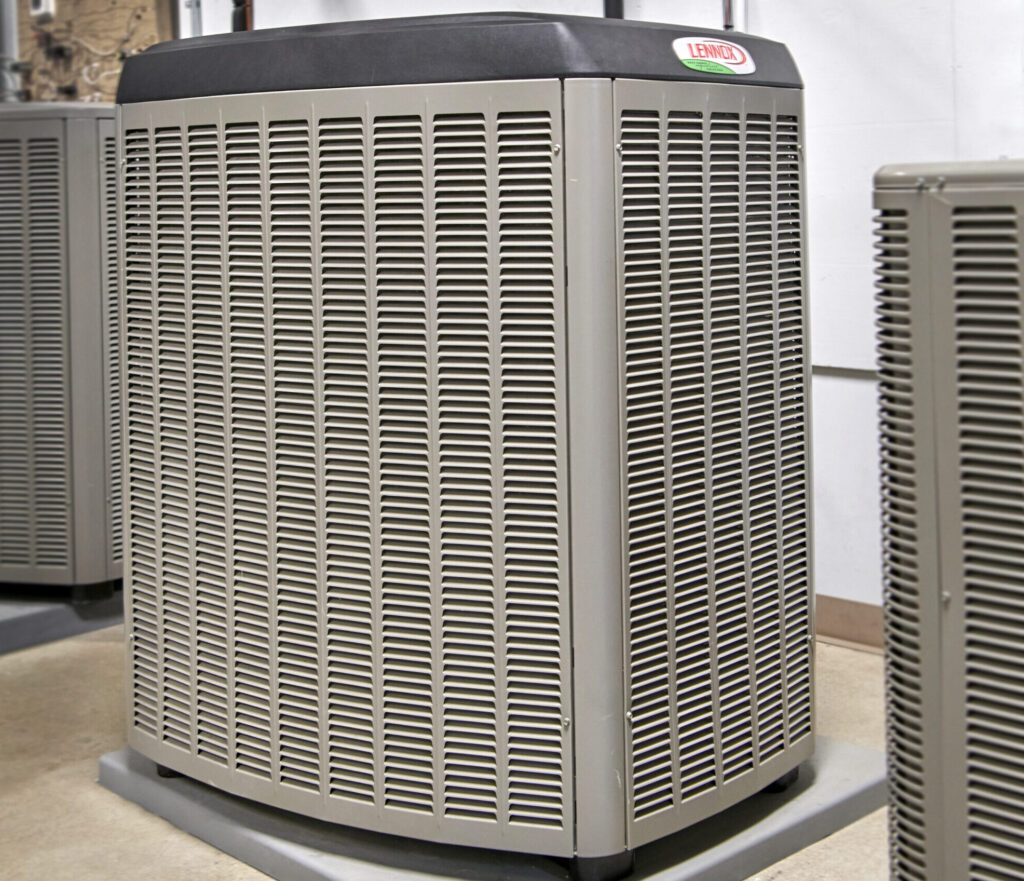
Whether your AC system has reached the end of its average lifespan or not, having multiple repair jobs in a row could indicate it is near wearing out. If you have already fixed one issue and more are popping up, it might be best to cut your losses and replace them.
Older air conditioners will also have more aesthetic issues. Rust is a problem, along with being noisier than newer models.
What if I Cannot Afford to Replace it Right Now?
Replacing a central AC unit is more affordable as fall approaches. End-of-season clearances and attractive financing options make the fall an ideal time of the year for replacement. With a new system, comes the energy cost saving that you will receive when a new unit is doing the cooling. New AC units outperform old units significantly.
Can I Get Away with Purchasing a Lower Cost AC Unit?
The cost of AC units depends upon size and SEER rating. The Seasonal Energy Efficiency Ratio (SEER) measures how much cooling a system puts out for each unit of energy it consumes.
In theory, the higher the SEER rating, the more efficiently the air conditioner operates.
Size matters - if an HVAC company says you can get away with the same size unit as you currently have, be skeptical. If you just purchased your home, do not assume the AC unit installed was necessarily the best size for your home.
New homeowners should consider having an inspection by a professional HVAC technician, as some builders will undersize systems to save money when the home is built.
Also, size requirements can change when changes to your home are made such as additions or insulation changes. Changes in climate matter, too! The climate zone you live in informs the size of unit you need.
If you install an AC unit that is too small, it will run constantly which will cause you more money in energy and in repair costs. Alternately, if you install one that is too big, it will turn on and off constantly, never running a full cycle. It is most cost-effective to purchase a unit that is the correct size for your home.
Homeowners should use the assistance of well-trained experts like those at Anthony Plumbing, Heating, Cooling & Electric to choose the most cost-effective AC system over the long run.
For more information on how to recognize when your cooling system needs replacing, contact us at (913) 298-0444.
Can air conditioners spread allergens?
The answer is yes, they can. If not cleaned and properly maintained, they can put allergens into the air which contribute to a myriad of health issues namely those dealing with respiration such as allergies and asthma.
A dirty air conditioner filter prevents cool air from flowing. It takes trapped dirt, dust, dander, and pollen and distributes it throughout a room.
People who spend time in the space breathe in the air and develop allergies in the process. Investing in regular AC cleaning prevents that problem from occurring.
It prevents the spreading of pollutants throughout the home. It does not, however, eliminate them. In order to do that, you must first identify the source of the problem and do your part to get rid of it before it worsens.
The next section addresses the top in-home allergens so you can determine if they're what is causing you or a family member's allergies to worsen.
The Top In-Home Allergens
To better understand what you're up against, it's important to know what causes allergens to build up inside the home. Among the biggest culprit is a dirty air conditioner filter which is easily taken care of with AC cleaning.
Replacing the filter every few weeks is highly recommended with the frequency increasing in homes with pets.
Other allergens that cause concern include:
- Cigarette Smoke. Second-hand smoke can cause respiratory problems in children and adults. It can also be problematic for pets. Asking that all smokers take their cigarettes and vape pens outdoors to smoke keeps the nicotine out of the home and lungs of the residence's occupants. Most people have no issue smoking or vaping outdoors especially if the person they are visiting requests that they do so.
- Dust Mites. The parasites live in linens and gather on clothing and toys that sit untouched for a while. The best way to deal with them is to clean and vacuum the home regularly. It's impossible to get rid of them completely but you can reduce the problems caused by the dust mites significantly by dusting, vacuuming, and washing sheets, pillowcases, and blankets frequently. Creating a weekly cleaning schedule for yourself helps you take care of all the potentially problematic areas inside the home.
- Mold. Using a dehumidifier inside the home helps reduce instances of mold. When it's warm, dark, and damp in a room, spores appear. Hiring a professional to tackle a mold problem before it worsens is imperative. Mold is the type of problem that can get a home condemned if it gets bad enough.
- Pollen. Ensuring that your doors and windows have screens on them is one way to keep pollen out. Keeping your AC unit's filter clean at all times does, too. Investing in the right size of filter for the make and model of air conditioner that you have makes it easier to trap pollutants and keep them from entering your home, nostrils, and mouth while you breathe.
- Pet Dander. Like dust mites, you can't avoid a pet that sheds. If your dog or cat has long hair, make sure to brush them outdoors regularly. You'll also want to sweep, dust, and vacuum on a routine basis. Cleaning the pet's bedding also helps eliminate traces of hair and dander which cause a lot of people's allergies to kick in.
- Toxic Chemical Cleaning Supplies. Switching to all-natural, organic cleaning products eliminates the level of toxicity inside the home. Individuals with chemical sensitivities notice a distinct difference in how they feel and breathe once commercial cleaners are banned from the residence. Common kitchen ingredients such as baking soda and vinegar are often used in many DIY cleaning recipes. They're all-natural and not something that aggravates or creates allergies for people.
An indoor air quality test allows you to better understand what could be triggering you or your family member's allergies. It makes it easier to eliminate the source of the problem by repairing a broken AC unit.
AC repair makes the unit work more efficiently at eliminating the issue of indoor allergens.
Making sure that your air conditioner isn't doing more harm than good is your responsibility. By learning what to do to keep your unit working optimally, you eliminate many of the problems caused by pollutants inside the home.
You also protect your investment by keeping your AC in good working order so you can continue to use it for years without replacing it.
What You Can Do to Keep Your AC Running Well
There are things you can do to keep your AC in good working order. The first is to not put off AC repair. If you know that your air conditioner isn't doing its job, it's time to call in a professional. The fix could be as simple as air duct cleaning.
Staying on top of routine maintenance prevents your air conditioner from freezing up and running up your home energy bills.
An AC can run non-stop and not put out cool air. This can cause an electric bill to skyrocket and burn out its motor rendering the unit useless.
That's why you should take a look at the unit routinely, remove anything blocking its airflow, switch out its filter, and have a technician service it before using it full-time in the hotter months of the year.
You're able to prolong the lifespan of the AC that way and keep yourself from paying exorbitant costs to the electric company.
What AC Maintenance Entails
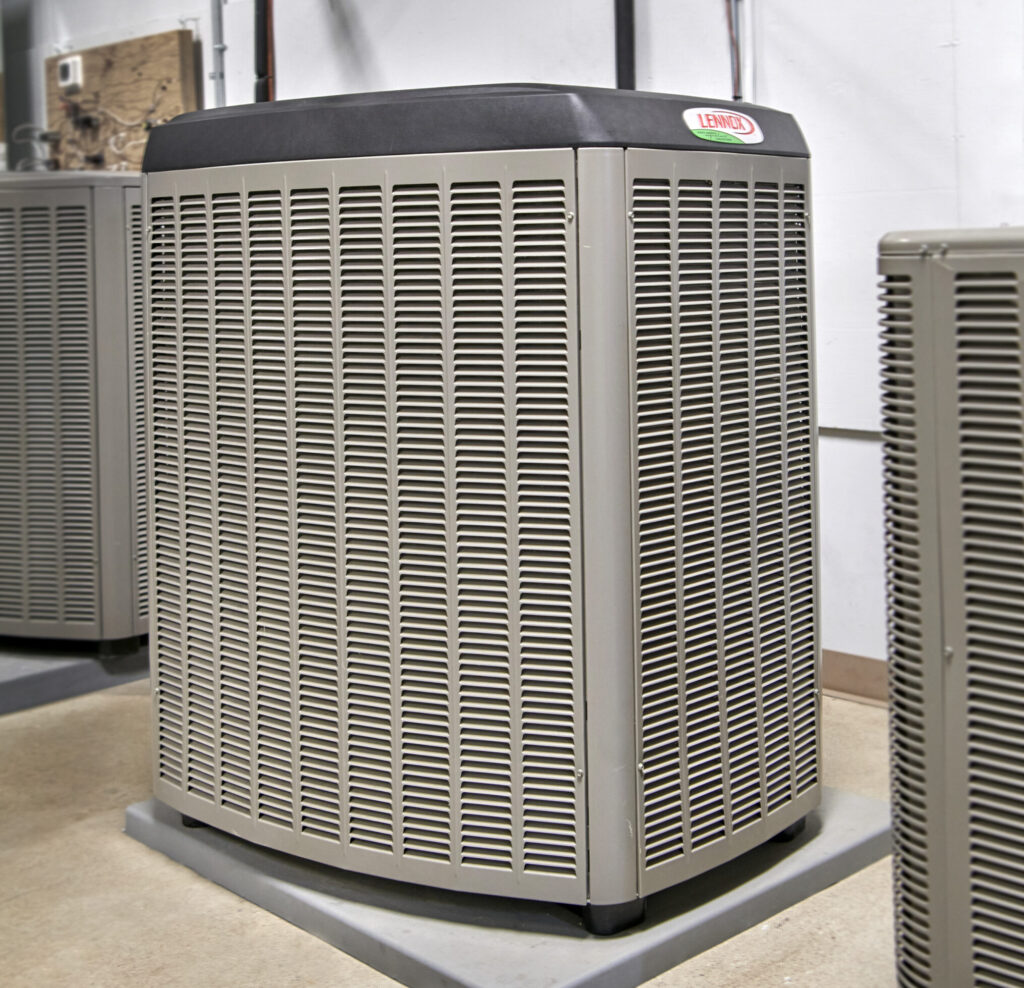
If you're unsure of what hiring a professional to perform maintenance on your air conditioning unit entails, don't worry. Anyone who hasn't had the experience of working with an expert isn't sure what to expect.
A company such as Anthony Plumbing, Heating & Cooling puts your mind to ease right away by remaining communicative throughout the maintenance process.
Before an air conditioner is turned on for the first time for the season, a technician comes out and takes a look at the unit. They remove the air filter and replace it with a new one.
They check coolant levels to make sure they are adequate enough to cool your size of home for the duration of the summer.
The tech turns the air conditioner on to make sure that it gets to the desired temperature right away. They also note any strange sounds the AC makes or smells that come out of the unit.
If a repair must be done to get the air conditioner back in good working order, the professional does it on the spot as long as they have the replacement part in stock.
Addressing common furnace problems is something else that we do in addition to repairing a broken AC unit and performing routine AC maintenance.
Having a company you can trust to take care of your air conditioning and heating needs is essential as a homeowner. It ensures that your home remains a comfortable temperature year-round.
Contact Us to Schedule AC Unit Cleaning Today
It is highly recommended to contact Anthony Heating and Cooling to set up a time for AC unit check and cleaning. Doing so helps you remove existing allergens from the home and prevent future problems from occurring. Contact us today at (913) 298-0444.