

Homeowners ask us about air purifiers all the time. Some call because the house feels dusty no matter how often they clean. Others say their allergies flare up as soon as they come inside. A few just say the air feels heavy or stale, and they want to know if a purifier can help. The short answer is yes, it can, but the type of purifier you choose and the conditions in your home matter more than most people think.
Homes across northeast Kansas and northwest Missouri go through a lot during the year. Spring brings big waves of pollen. Dust blows in from open fields. Humidity rises and falls. Even smoke from distant wildfires can drift into the area some years. All of that finds its way inside, which is why many homeowners start looking into indoor air quality options.
What an Air Purifier Actually Does
An air purifier pulls air in, moves it through filters, and pushes it back out cleaner than before. A true HEPA filter is usually the main part people look for. It catches the tiny particles that cause sneezing or irritation. Some purifiers add a carbon filter to help with odors from pets, cooking, or mustiness in basements.
There are also purifiers with UV or ion features. UV works inside the unit to reduce airborne particles as air passes through. Ionizers cause particles to clump together so they are easier for the filter to grab. These features help, but the basic idea is simple. Bring air in, clean it, send it back out.
Why Air Purifiers Are Worth It
1. Help with Allergies
Kansas and Missouri are tough on allergies. When tree pollen and grass pollen peak, people feel it indoors too. A purifier can help keep those tiny particles from floating around inside.
2. Less Odor Buildup
If the house has pets, or if the basement holds onto moisture after storms, smells can linger. A purifier with a carbon filter helps take the sharpness out of those odors.
3. Better Comfort for Kids and Pets
Dust settles quickly in busy homes. Hair and dander float up whenever pets move around. Purifiers help pull that out of the air before it spreads across the house.
4. Help During Smoke or Humid Stretch
On smoky days or during sticky summer weeks, the air indoors can feel thick. A purifier helps clear out fine particles that make the house feel stuffy.
People usually notice they might need a purifier when the dust returns right after cleaning or when certain rooms feel stale no matter what they do.
When an Air Purifier Might Not Be Enough on Its Own
1. Purifies One Area at a Time
A portable unit only cleans nearby air. If you want several rooms treated, you may need more than one or a system connected to the HVAC.
2. Won’t Fix Airflow or Duct Problems
If air is not moving well through your home, or dust is blowing out of vents, a purifier can help but cannot fix the source. Sometimes the HVAC or ductwork needs attention.
3. Humidity Still Matters
Purifiers clean particles, not moisture. If your home is too dry or too muggy, adding humidity control will help more than a purifier alone.
Air purification does a lot, but it works best as one part of an overall indoor air approach.
Types of Air Purifiers: Which Ones Are Actually Worth Buying?
HEPA Units
These catch tiny airborne particles and help most homeowners with everyday dust and allergies.
Carbon Filter Units
These help with smells and chemical particles. Many homeowners choose purifiers that combine carbon and HEPA.
UV Units
Installed in the HVAC system, UV purification systems help with airborne particles moving through your ductwork.
Ionizing Units
These vary. Some do well, others not as much. Many homeowners prefer them paired with strong filtration.
Whole Home Units
These connect to your HVAC and treat the entire home. Good for families who want consistent air quality everywhere instead of moving portable units around.
Noise, energy use, and filter cost are all worth comparing when deciding between options.
Cost Breakdown: What You Can Expect to Spend
Portable purifiers range from lower priced models to higher end units. Filters add to long term costs. Whole home purifiers cost more upfront but treat all the air moving through your HVAC. The real question is how much space you want to treat and what problems you want to fix. That helps you decide which option makes the most sense.
How to Choose the Right Air Purifier for Your Home
Match the purifier to your room size. Look for true HEPA certification. Check CADR ratings to see how quickly the unit cycles the air. Pay attention to noise if the purifier will sit in a bedroom or living room. And set aside a budget for filter replacements. If you are considering a whole home version, talking with a technician makes it easier to understand what fits your HVAC setup.
Other Indoor Air Solutions That May Help Even More
Sometimes the best improvement comes from a combination of things. Humidity control, duct cleaning, ventilation upgrades, and better air filtration inside the HVAC system can change the way the whole home feels. A purifier can be part of that plan, but in some homes, these other solutions make an even bigger difference.
So, Are Air Purifiers Worth It? Final Takeaways for Kansas and Missouri Homes
For many families, yes. They help with dust, allergies, odors, and smoke. The difference you notice depends on the type of purifier, where you use it, and what is happening with the air inside your home. Picking the right one and pairing it with other indoor air solutions gives you the best results.
Get Expert Indoor Air Help From a Local Pro
If you want help choosing a purifier or want to explore other indoor air options, our team can walk you through what works best for your home.
Schedule OnlineWhat can the public do to defend against COVID-19? One simple answer is to ramp up your home’s humidity.
Increasing humidity can protect against COVID-19 in two ways: by supporting your respiratory tract’s immune response and by causing airborne coronavirus to become unstable and less infectious quickly.
Increasing Humidity Can Cause Coronavirus to Die Off Quicker
The SARS-CoV-2 coronavirus that causes COVID-19 can float around your home in the air. It only has a limited amount of time before heat, light and humidity dissolve its "spikes" that it needs to latch onto your cells.
This is called airborne decay. These viruses, like all viruses, are more subject to this airborne decay when these environmental conditions increase:
- UV Light
- Temperature
- Humidity
Numerous studies have shown that flu viruses, including the coronavirus, thrive in cold dry conditions, which causes them to become more of a problem during the winter cold and flu season. The estimated airborne decay of the SARS-CoV-2 coronavirus that causes COVID-19 occurs much more quickly in heat, humidity and UV light.
How Can I Increase the UV Light, Temperature and Relative Humidity in My Home?
It is easy to increase the temperature in your home by raising the set point on your thermostat, but doing so can lower your home’s humidity level quickly.
So, it is important that you use humidification devices to keep the humidity levels in your home high during the heating season.
Whole-home humidifiers on your HVAC system work the best – make sure they are working effectively by turning them on “winter” mode, and by turning the humidistat up above 40%.
Also, make sure you have your whole-home humidifier serviced annually to remove mineral buildup.
Another option is adding UV light. The best option is to install a UV lamp in your HVAC system. The circulating air will cause viruses to pass by the UV lamp and become inert before they can enter the air you breathe.
An even better solution is to install an Air Scrubber indoor air quality system. Air Scrubbers not only kill viruses when they pass by its UV light.
They also eradicate them through the non-toxic hydrogen vapor that they release into your home’s air and surfaces.
Humidity Helps Your Respiratory System’s Immune Response Work Better
Increasing humidity in your home during the winter months can help your body defend against the SARS-CoV-2 coronavirus that causes COVID-19.
The more humidity in your home, the more ability your body has to use its natural mucous defense to eliminate viruses in your respiratory tract. The human respiratory tract has a natural immune response against airborne viruses and other particulates called the cilia.
These tiny hair-like projections move mucous up your windpipe so you can cough it, and the contaminants it contains, up and out of your lungs.
The dryer the air in your home, the thicker is this mucous, and the less effective it is in extricating viruses out of our lungs.
How Much Humidity is Enough?
According to the National Center for Biotechnology Information, the majority of adverse health effects caused by relative humidity would be minimized by maintaining indoor levels between 40 and 60%. And the more humidity you have in your home, the quicker viruses become unstable and unable to infect you.
However, too much humidity can cause unwelcome effects as well, such as warped wood floors and furniture, and the growth of mold, bacteria and mites.
A humidity level of 50% is generally recommended as the sweet spot to prevent viral growth and keep our respiratory system’s immune response strong.
At the same time protecting your home from damage and protect your body from allergic reactions to increased mold and mites. The age and type of construction has a bearing on whether your home can handle a 50% humidity level.
How Can I Measure My Home’s Humidity Level?
When your skin, lips and nasal passages start to itch or crack, or you start shocking your family and pets when you touch them, that is a sure sign that your home’s relative humidity is too low.
But how do you know exactly what your home’s humidity level is?
One convenient way to track your home’s humidity is through a thermostat with an integrated humidistat. Humidistats measure the relative humidity of the air surrounding their sensors.
Battling Mineral Buildup in Humidifiers
As you battle the dry air in your home, you may also find yourself battling mineral buildup. Humidification usually involves using warm air from a furnace blown through a saturated panel.
When untreated water from municipal water sources comes into contact with the components of humidifiers (and also water heaters, coffee makers and dishwashers).
It also contacts the minerals that exist in this hard water build-up on their surfaces and eventually prohibits them from working or reduce their effectiveness. That is why yearly maintenance is critical for whole-home humidifiers.
A water-softening system in your home will help your humidifier operate during the heating season.
Water softening systems also prevent buildup in your home's plumbing and plumbing fixtures, causing both to last longer and to help prevent clogs.
Your Anthony PHCE technician can provide suggestions based on your home’s current system.
Contact Anthony PHCE for Humidification and Indoor Air Quality Solutions
If you need humidification, indoor air quality or water-softening solutions for your home, our expert technicians and plumbers at Anthony Plumbing, Heating, Cooling & Electric are here to help.
Contact us at (913) 298-0444 or chat with us on our website at www.AnthonyPHCE.com.
According to the Environmental Protection Agency (EPA), the levels of indoor air pollutants may be two to five times, and occasionally 100 times, higher than the levels of pollutants outside.
Considering that most Americans spend 90 percent of their time indoors, this is a major concern. Considering the increases in wildfires and viral pandemics, indoor air quality is becoming an even greater worry.
Fortunately, homeowners have a great deal of control over the air quality in their homes. By choosing the right whole-home indoor air quality systems, you can make your home a sanctuary of clean, healthy, odor-free air.
What Type of Whole-Home Indoor Air Quality System is Best?
Depending upon your home, your location and of your family’s individual needs, you may want to consider one, or a combination of, indoor air quality systems. Whole-home indoor air quality systems trap, kill or eliminate the following types of indoor pollutants:
- particulates (dust, cooking, fireplaces, candles, smoking, aerosol sprays)
- chemical fumes (lead, pesticides, formaldehyde from furnishings, cleaning products)
- biological (viruses, bacteria, mold, insect droppings, animal fur and dander)
- allergens and odors (posed by all of the above)
Following are three types of indoor air quality systems and how each of them works to remove these harmful substances from your home.
Ionizers, Ozone Generators and Electrostatic Media
What is the difference between ionizers, ozone generators and polarizers? All three remove particles from the air by altering oxygen molecules which makes them adhere to particulates. Each produces some ozone, which is safe in small amounts.
Ionizers
Ionizers work by adding an electron to oxygen molecules creating negative ions. These negative ions add a charge to particulates in the air, making them sticky and causing them to be attracted back to the ionizer.
Ionizers work best at removing small particles but sometimes fall short with odors, gases, and larger particles such as pollen or dust. Ionizers do produce a small amount of ozone, which can irritate the lungs in large quantities. Negative ions have no smell and no harmful effects.
Ozone Generators
Ozone generators produce ozone, which is made up of three oxygen molecules, which makes it unstable and also sticky. Ozone is better as removing smaller particulates, gases, and odors from the air.
However, ozone in large amounts can be dangerous. Ozone generators work best if used in a large area or used only while pets and humans are not home.
Electrostatic Media
Electrostatic media are electronic air filters placed in your furnace in place of regular filters. These filters use electricity to alter the electrical field of atoms causing them to be polarized and stick to the media as air is pulled through your system.
This offers an effective way to remove a large variety of particulates from the air in your home.

UV Light Technology
UV Light has been proven to kill viruses, mold, and bacteria on contact, which is where other indoor air quality systems fall short. Viruses, mold, and bacteria are too small to be collected by ionizers or air filtration media.
Although prolonged exposure to UV can be harmful to humans, UV lamps in your AC coil and ductwork eliminate that threat by directing UV light to pathogens as they are drawn through your ventilation system. But these pathogens must come within a few inches of the UV lamp to be killed.
The Air Scrubber by Aerus® is a special kind of UV lamp that changes water molecules in the air into negatively charged vapor through a process called ActivePure®.
These negatively charged molecules leave the UV lamp and actively enter your home’s air and make contact with the surfaces in your home to kill viruses.
Arrestors
Arrestors are filters placed in your ventilation system that trap particulates and prevent them from being circulated back into your air. Arrestors range in effectiveness from the standard one-inch filter to high-efficiency particulate air (HEPA) filters, to thick five-inch media filters such as the Anthony Clean Machine.
Filters are made of tightly woven mesh that traps particulates as they pass through. They are especially good at removing larger contaminants such as dust, pollen, pet dander and dust mites, making them great for people with allergies.
Do You Need a Whole-Home Indoor Air Quality System?
Indoor air can pose health hazards, especially during the closed-window seasons of summer and winter when outdoor air is not allowed to circulate through your home to eliminate the pollutants in your home.
Some individuals resist opening their windows even during pleasant temperature due to the allergens and pollutants in the outdoor air where they live.
Everyone can benefit from indoor air quality systems, and the most effective of these are whole-home systems that are installed in your ductwork and facilitated by the air pushed through your AC and furnace system. Individuals with the following conditions can benefit most from whole-home systems:
- cardio/pulmonary conditions
- allergies
- sensitivity to chemicals or smells
- young age or advanced age
- compromised immune systems
- If your home has any of the following conditions, you should also consider a whole-home indoor air quality system:
- new furnishings or carpeting or remodeling
- constant use such as cooking or indoor hobbies involving chemicals
- mold or recent flooding
- pet odors
- location near car exhaust, industrial areas, wildfires
- location in climates where windows remain closed most of the year
An unintended result of today’s tighter homes is heightened levels of indoor air pollution. Dangerous particles, as well as chemicals, are being trapped in your home.
Illness-causing micro-organism infestation, allergens, and bad odors are all problems that affect the well-being and comfort of everyone in your home.
Call our indoor air quality experts to learn which whole-home indoor air quality solutions are best for you at (913) 298-0444.
The Air Scrubber by Aerus® utilizes state-of-the-art technology developed by NASA to create a safe environment for the astronauts in the international space station. This proprietary technology is called ActivePure®, and is the only air cleaning technology awarded the prestigious Certified Space Technology seal of approval by the Space Foundation which was created in cooperation with NASA.
ActivePure® utilizes a proprietary photocatalyst system which creates powerful oxidizing molecules which are safe to humans and pets but which kill viruses and bacteria in the air and on surfaces. Water and oxygen particles enter the ActivePure® honeycomb matrix.
While inside, the molecules are transformed into hydrogen peroxide (H2O2) vapor which permeates all exposed areas of your home. These molecules destroy viruses, bacteria, fungi and mold not only in the air but on surfaces such as counter tops, light switches, cell phones, toys and door knobs, preventing cross contamination.
Air Scrubber by Aerus® ActivePure® Technology Benefits
The Air Scrubber by Aerus® utilizes 3 different technologies: ActivePure® to kill viruses, plus ionization to prevent dust, and ozone (optional) to eliminate odors.
ActivePure® virus killing technology has the following benefits:
- Reduces exposure to viruses and bacteria and their effects upon your health and wellness.
- Proven to kill over 90% of RNA viruses on contact by researchers at the University of Cincinnati. Also see the efficacy charts from Kansas State University study. RNA viruses include bird flu, swine flue, SARS, Ebola, MRSA and the common cold. Note: The coronavirus (COVID-19) is also an RNA virus, but the efficacy of virus-killing products against this virus have not yet to be tested by anyone in the indoor air quality industry.
- Effective against MRSA, E. coli, C. Diff and other illness causing bacteria and viruses.
- Reduction in sick days and the number of common cold and flu outbreaks.
- Reduction in respiratory issues.
Ionized negative ions have the following benefits:
- Purify air, remove VOCs, and significantly reduce dust particles and odor causing bacteria without using ozone.
- Protect against allergy and asthma triggering contaminants and respiratory issues which may lead to health problems.
- Improved productivity from healthier, cleaner air and surfaces.
- Reduced dust collection on surfaces so you don't have to dust as often.
Ozone (optional) has the following benefits:
- Eliminates even the toughest odors from your home, including pet and cooking odors.
How is Air Scrubber by Aerus® different from Ionizers, UV Lamps and Ozone Machines?
There are many indoor air quality options on the market, but none work like Air Scrubber by Aerus®, nor kill viruses as well as Air Scrubber by Aerus®:
- Ionizers - Reduce dust in the air and can kill some viruses.
- HEPA Filters - Can catch some viruses, but smaller strains can still pass through.
- UV Lamps - UV light kills viruses that come within a certain amount of inches from the lamp for at certain amount of seconds, so they cannot purify your whole home.
- Ozone Generators - High levels of ozone kills viruses but is dangerous to humans and animals so should only be used at times when humans and animals are not in the home.
Are You Ready to Reduce the Flu Viruses, Bacteria and Allergens in Your Home?
Contact us today at A-N-T-H-O-N-Y (268-4669) KS or MO to learn your options for installing the Air Scrubber by Aerus® in your home. Or fill out the form below and we will contact you soon.
Can air conditioners spread allergens?
The answer is yes, they can. If not cleaned and properly maintained, they can put allergens into the air which contribute to a myriad of health issues namely those dealing with respiration such as allergies and asthma.
A dirty air conditioner filter prevents cool air from flowing. It takes trapped dirt, dust, dander, and pollen and distributes it throughout a room.
People who spend time in the space breathe in the air and develop allergies in the process. Investing in regular AC cleaning prevents that problem from occurring.
It prevents the spreading of pollutants throughout the home. It does not, however, eliminate them. In order to do that, you must first identify the source of the problem and do your part to get rid of it before it worsens.
The next section addresses the top in-home allergens so you can determine if they're what is causing you or a family member's allergies to worsen.
The Top In-Home Allergens
To better understand what you're up against, it's important to know what causes allergens to build up inside the home. Among the biggest culprit is a dirty air conditioner filter which is easily taken care of with AC cleaning.
Replacing the filter every few weeks is highly recommended with the frequency increasing in homes with pets.
Other allergens that cause concern include:
- Cigarette Smoke. Second-hand smoke can cause respiratory problems in children and adults. It can also be problematic for pets. Asking that all smokers take their cigarettes and vape pens outdoors to smoke keeps the nicotine out of the home and lungs of the residence's occupants. Most people have no issue smoking or vaping outdoors especially if the person they are visiting requests that they do so.
- Dust Mites. The parasites live in linens and gather on clothing and toys that sit untouched for a while. The best way to deal with them is to clean and vacuum the home regularly. It's impossible to get rid of them completely but you can reduce the problems caused by the dust mites significantly by dusting, vacuuming, and washing sheets, pillowcases, and blankets frequently. Creating a weekly cleaning schedule for yourself helps you take care of all the potentially problematic areas inside the home.
- Mold. Using a dehumidifier inside the home helps reduce instances of mold. When it's warm, dark, and damp in a room, spores appear. Hiring a professional to tackle a mold problem before it worsens is imperative. Mold is the type of problem that can get a home condemned if it gets bad enough.
- Pollen. Ensuring that your doors and windows have screens on them is one way to keep pollen out. Keeping your AC unit's filter clean at all times does, too. Investing in the right size of filter for the make and model of air conditioner that you have makes it easier to trap pollutants and keep them from entering your home, nostrils, and mouth while you breathe.
- Pet Dander. Like dust mites, you can't avoid a pet that sheds. If your dog or cat has long hair, make sure to brush them outdoors regularly. You'll also want to sweep, dust, and vacuum on a routine basis. Cleaning the pet's bedding also helps eliminate traces of hair and dander which cause a lot of people's allergies to kick in.
- Toxic Chemical Cleaning Supplies. Switching to all-natural, organic cleaning products eliminates the level of toxicity inside the home. Individuals with chemical sensitivities notice a distinct difference in how they feel and breathe once commercial cleaners are banned from the residence. Common kitchen ingredients such as baking soda and vinegar are often used in many DIY cleaning recipes. They're all-natural and not something that aggravates or creates allergies for people.
An indoor air quality test allows you to better understand what could be triggering you or your family member's allergies. It makes it easier to eliminate the source of the problem by repairing a broken AC unit.
AC repair makes the unit work more efficiently at eliminating the issue of indoor allergens.
Making sure that your air conditioner isn't doing more harm than good is your responsibility. By learning what to do to keep your unit working optimally, you eliminate many of the problems caused by pollutants inside the home.
You also protect your investment by keeping your AC in good working order so you can continue to use it for years without replacing it.
What You Can Do to Keep Your AC Running Well
There are things you can do to keep your AC in good working order. The first is to not put off AC repair. If you know that your air conditioner isn't doing its job, it's time to call in a professional. The fix could be as simple as air duct cleaning.
Staying on top of routine maintenance prevents your air conditioner from freezing up and running up your home energy bills.
An AC can run non-stop and not put out cool air. This can cause an electric bill to skyrocket and burn out its motor rendering the unit useless.
That's why you should take a look at the unit routinely, remove anything blocking its airflow, switch out its filter, and have a technician service it before using it full-time in the hotter months of the year.
You're able to prolong the lifespan of the AC that way and keep yourself from paying exorbitant costs to the electric company.
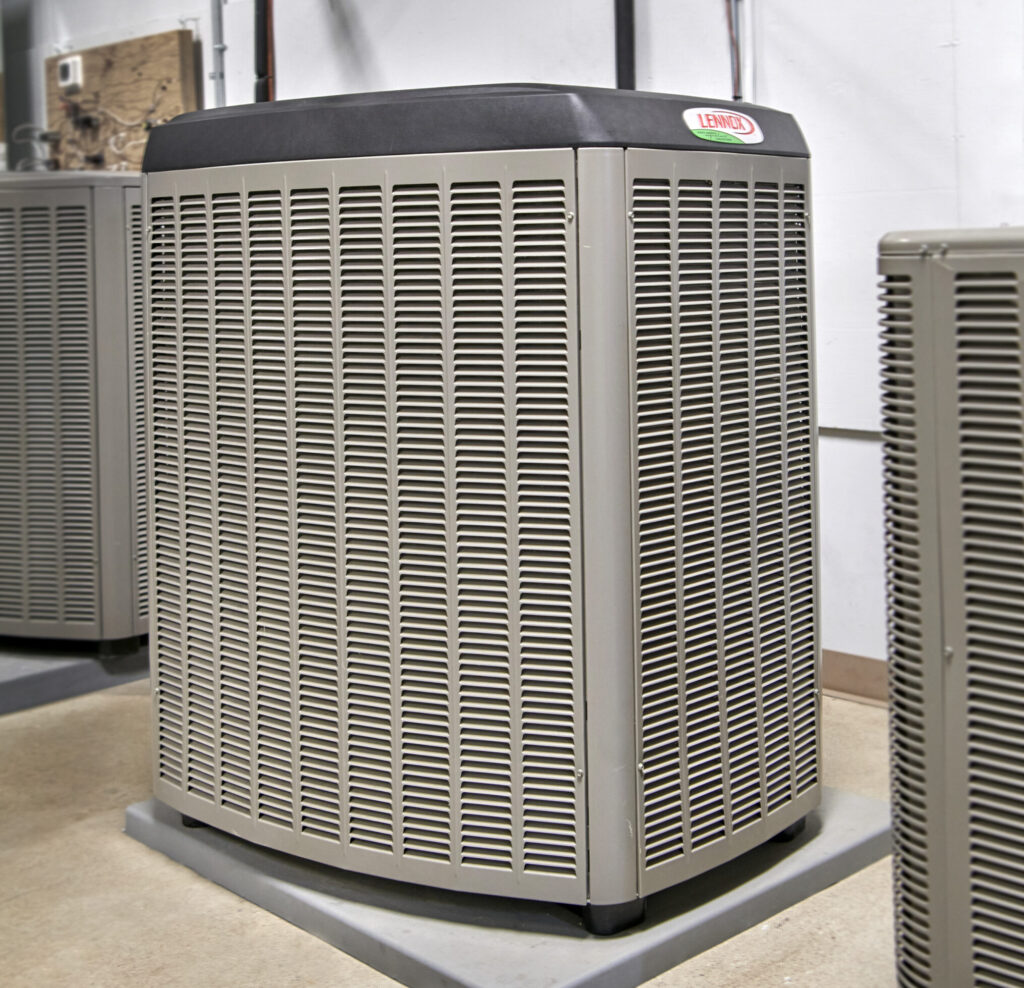
What AC Maintenance Entails
If you're unsure of what hiring a professional to perform maintenance on your air conditioning unit entails, don't worry. Anyone who hasn't had the experience of working with an expert isn't sure what to expect.
A company such as Anthony Plumbing, Heating & Cooling puts your mind to ease right away by remaining communicative throughout the maintenance process.
Before an air conditioner is turned on for the first time for the season, a technician comes out and takes a look at the unit. They remove the air filter and replace it with a new one.
They check coolant levels to make sure they are adequate enough to cool your size of home for the duration of the summer.
The tech turns the air conditioner on to make sure that it gets to the desired temperature right away. They also note any strange sounds the AC makes or smells that come out of the unit.
If a repair must be done to get the air conditioner back in good working order, the professional does it on the spot as long as they have the replacement part in stock.
Addressing common furnace problems is something else that we do in addition to repairing a broken AC unit and performing routine AC maintenance.
Having a company you can trust to take care of your air conditioning and heating needs is essential as a homeowner. It ensures that your home remains a comfortable temperature year-round.
Contact Us to Schedule AC Unit Cleaning Today
It is highly recommended to contact Anthony Heating and Cooling to set up a time for AC unit check and cleaning. Doing so helps you remove existing allergens from the home and prevent future problems from occurring. Contact us today at (913) 298-0444.
Americans are aware of the dangers of heart disease and stroke and the all the messages encouraging us to eat right and exercise to reduce the risk of these deadly events.
Research is now showing that air pollution is another cause of heart disease and stroke – and it is not something people can control as easily as their diet. But as the average person spends 90% of their time indoors, eliminating air pollution is a reachable goal.
Americans are aware of the dangers of heart disease and stroke and all the messages encouraging us to eat right and exercise to reduce the risk of these deadly events.
But research is now showing that air pollution is another cause of heart disease and stroke. It is not something people can control as easily as their diet.
But as the average person spends 90% of their time indoors, eliminating air pollution is a reachable goal.
(more…)
Indoor air pollution is among the top five environmental threats to human health. Considering that most Americans spend 90 percent of their time indoors, this is a major concern. According to the Environmental Protection Agency (EPA), the levels of indoor air pollutants may be two to five times higher than the levels of pollutants outside. No wonder your eyes are itching!