
BLOG
Best Sump Pumps for Homes in Northeast Kansas and Northwest Missouri
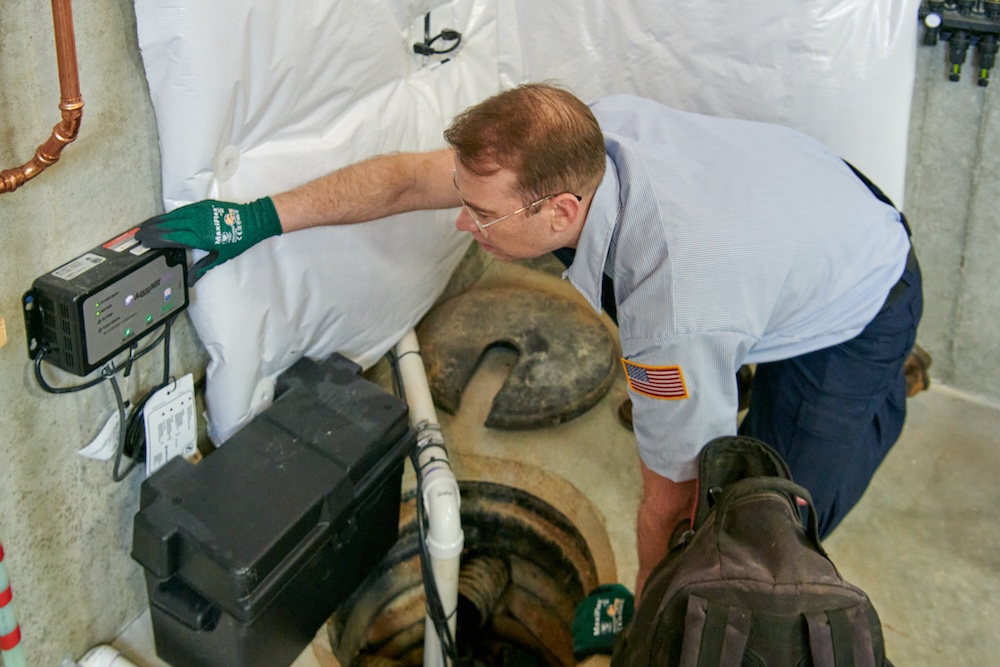
When we talk with homeowners in northeast Kansas and northwest Missouri, sump pumps come up more often than you’d think. Around here, you get a mix of clay soil, quick spring storms and basements that sit just low enough for water to sneak in. Picking the best sump pump isn’t about finding the fanciest model on the shelf. It’s more about understanding what your basement deals with, how fast water collects and which type of pump is built for the way homes in this region handle moisture.
Why Choosing the Right Sump Pump Matters in Our Region
Our soil holds onto water longer than sandy or rocky ground, and after a few days of steady rain, that groundwater starts looking for a place to go. Basements in northeast Kansas and northwest Missouri take the brunt of that pressure. Even newer homes feel it, especially those with deeper foundations or in neighborhoods where the grade drops toward the house.
A sump pump that’s sized right and installed correctly helps prevent:
- Water puddling across the basement floor
- Damp corners that lead to mold problems
- Foundation strain during long wet periods
- Repeat flooding after fast-moving storms
Breaking Down Sump Pump Types
Different basements need different solutions. Here’s how each pump type works and when it tends to be the better fit.
Submersible Sump Pumps
A submersible pump sits down in the pit and runs underwater. This helps keep it quiet and lets it move a lot of water quickly. A 1/2 horsepower submersible pump with a strong flow rate is often one of the best submersible sump pump choices for homes that take on moisture during heavier storms. These pumps handle deep pits well and are a good match for finished basements where noise matters.
Pedestal Sump Pumps
Pedestal pumps keep the motor above the pit. You can reach them easily, and they’re usually more affordable. They don’t move as much water as submersible pumps, but for basements that only get occasional moisture, they do the job. A pedestal model with a thermoplastic housing is a common budget-friendly choice.
Water-Powered Backup Sump Pumps
These backups use municipal water pressure to push groundwater out of the pit. They don’t rely on electricity, which makes them useful during outages. They’re part of many backup sump pump buying guide lists because they run as long as city water pressure stays strong. Homes on private wells usually cannot use them.
Top Recommended Sump Pumps for Homes in Kansas & Missouri
Below are general categories of pumps that tend to perform well in our region. These aren’t brand names, just examples of setups that fit local basement conditions.
Best Overall: A cast-iron 1/2 HP submersible with a high lift rating
This type handles deeper pits, steady water flow and longer run times. Cast iron helps with cooling, which is important during back-to-back storms.
Best for Heavy Rainfall Areas: A 3/4 HP submersible with reinforced internals
In low-lying neighborhoods or places that get runoff, you want a pump that can move water fast. Reinforced impellers help when silt or grit finds its way into the pit.
Best Budget-Friendly Option: A pedestal pump with thermoplastic construction
Good for homes with shallow pits or light moisture. Easy to maintain and straightforward to install.
Best Backup System: A battery-powered backup pump with automatic switch
When bad weather knocks out the power, this keeps the basement protected. Many homeowners in our area choose this style as their best battery backup sump pump.
Comparing Sump Pump Features
When you’re trying to pick the best sump pump, a few features matter more than the others. Here’s what a technician usually looks at:
- Horsepower: More horsepower moves more water, which helps during storms.
- Flow rate: Measures how fast the pump can empty the pit.
- Materials: Cast iron lasts longer; thermoplastic keeps the cost down.
- Switch type: Vertical, tethered or electronic, each fits different pit designs.
- Noise level: Submersible pumps are the quietest option.
- Warranty: Longer warranties usually mean better construction.
These features help you match a pump to your home instead of guessing.
Signs You Need to Replace Your Existing Sump Pump
Pumps in our region put in a lot of work, especially in spring. Over time, the signs of wear start to show.
Look for:
- Grinding, humming or rattling noises
- Frequent on-off cycling
- Rust or corrosion
- Water collecting near the pit
- A pump that struggles to keep up during storms
When you start noticing these, it’s usually smarter to replace the sump pump before storm season ramps up.
Professional Installation vs. DIY Considerations
Installing a sump pump isn’t the hardest job in the world, but it’s easy to make mistakes with pit depth, discharge routing or valve placement. These issues often don’t show until the first big storm. Professional sump pump installation ensures the pump matches your pit size, your home’s drainage patterns and the local soil conditions.
Most homeowners in this region choose expert installation for peace of mind. When the weather turns fast, you want a setup that just works.
How to Maintain Your Sump Pump for Long-Term Protection
A little routine care keeps your pump ready when the next storm hits. Here are simple steps that help:
- Test the pump monthly with added water
- Clear out debris in and around the pit
- Check the discharge line for blockages
- Schedule a yearly inspection before spring
These steps help your pump perform when moisture levels spike.
Schedule a Sump Pump Consultation or Installation
Homes across northeast Kansas and northwest Missouri benefit from sump pumps chosen with local soil, basement depth and rainfall patterns in mind. If you want help choosing the best basement sump pump or backup system, schedule an estimate and we’ll walk you through the options.
Schedule OnlineFrequently Asked Questions
Sizing depends on pit depth, pit diameter and how fast water collects. A technician can help estimate the right flow rate based on your basement conditions.
Yes. If a pump moves water too quickly, it can short-cycle and wear out. Matching pump strength to your pit is the safer approach.
Slight oversizing is fine, but the best choice is a pump sized for your specific pit and moisture level.
Most homes work well with 1/3 hp. Homes with deeper pits or faster water ingress benefit from 1/2 hp.