
BLOG
How to Winterize a House in Northeast Kansas and Northwest Missouri
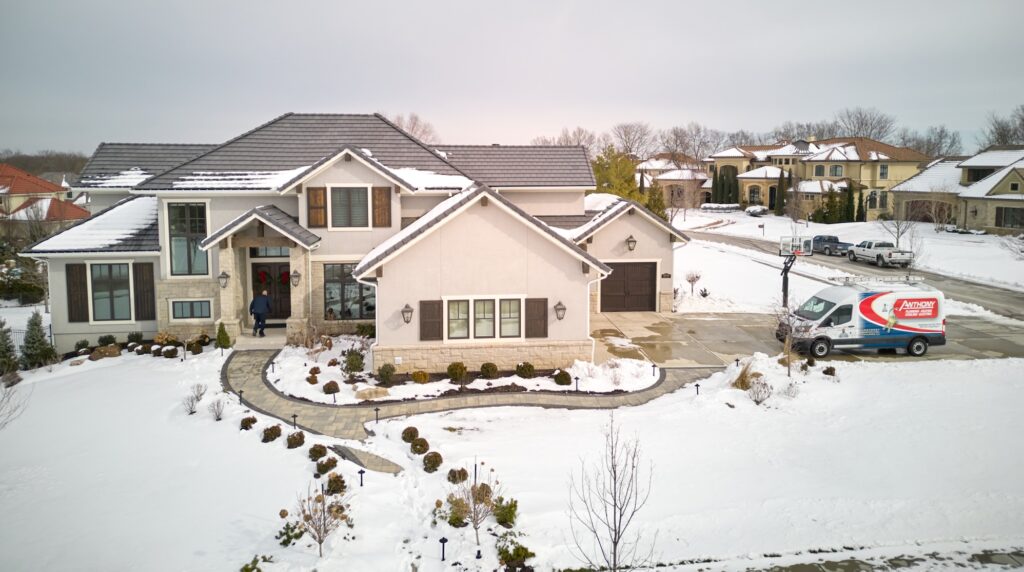
Winter settles differently across Northeast Kansas and Northwest Missouri. Some days feel mild, others shift quickly into frost, and homes tend to react before the season fully arrives. A hallway draft gets stronger, a room cools faster than usual, and you begin noticing where cold air finds weak spots. These early signs are reminders to look at your home and make sure it is ready. Winterizing is mostly about paying attention to these small hints and addressing them before temperatures fall further.
This guide covers steps that help support comfort and prevent winter issues as the season moves in.
Why Winterizing Your Home Matters in the Midwest
Cold weather here doesn’t stay predictable for long. One week brings a warm spell, and the next brings a freeze that lingers overnight. Heating systems run longer when these swings happen, and plumbing in unheated areas faces more strain when the temperature drops suddenly. Ice storms also show up throughout the region and place weight on gutters, trees, and roofs. These conditions can stress parts of the home that are already worn or under-insulated.
Preparing early helps keep the home balanced through these shifts and reduces the chance of avoidable repairs.
Step 1: Protect Your Plumbing from Freezing
Plumbing is one of the first areas affected by cold air. Pipes that sit near exterior walls or in unheated spaces cool faster than the rest of the home. Once the water inside slows or becomes slushy, the risk of freezing increases.
A few steps help reduce the risk:
- Add insulation to exposed pipes in basements, crawl spaces, and garages
- Remove hoses and drain outdoor spigots so water does not sit inside
- Use insulated covers for outdoor faucets
- Look over pipes in drafty areas and confirm they are protected
- Locate the main shutoff valve so you can reach it if needed
If water flow changes suddenly, or if you notice frost forming along a pipe, those are signs the line might freeze. Bringing in a plumber before temperatures fall again can prevent further issues.
Step 2: Prepare Your Heating System for Winter
As outdoor temperatures fall, heating systems run longer and show signs of wear more easily. A few basic checks help support steady performance.
Homeowners can:
- Replace furnace filters
- Wipe or vacuum vents
- Check thermostat settings and batteries
- Keep vents free from furniture or rugs
A furnace maintenance visit takes the checkup further. A technician inspects motors, sensors, burners, and airflow pathways to confirm everything is operating correctly. Small issues found during these visits often prevent midseason breakdowns that are harder to manage.
Step 3: Seal Air Leaks and Improve Insulation
Drafts are common in older Midwest homes, and they cause heat loss in more places than homeowners expect. Once a draft finds a path into the home, the furnace works harder to keep rooms even.
Areas worth reviewing include:
- Window and door frames
- Attic insulation depth
- Gaps near wall penetrations
- Basement rim joists and sill plates
Sealing openings with weatherstripping or caulk helps limit heat loss. If insulation in the attic is thin or patchy, adding more helps stabilize temperatures. Many homes built several decades ago benefit from insulation updates since older materials settle over time.
Step 4: Prepare Your Water Heater
Water heaters react to colder groundwater by working longer to warm incoming water. Supporting the system helps it keep pace.
Steps that help include:
- Flushing sediment from the tank
- Insulating the tank and nearby pipes
- Setting the temperature to a steady, efficient level
- Watching for inconsistent heating or unusual noises
Water heater maintenance can catch early issues that become more noticeable during winter use.
Step 5: Winterize the Exterior of Your Home
Exterior surfaces take the full impact of winter weather. Snow and ice can build up, and freezing rain may create moisture problems if gutters or roof sections are already stressed.
Tasks that help include:
- Clearing gutters so melting snow drains
- Inspecting shingles for damage or loose sections
- Checking and sealing cracks near the foundation
- Protecting outdoor faucets
- Storing or covering outdoor equipment
These steps support drainage and help prevent water from entering areas it shouldn’t during winter storms.
Step 6: Prepare for Winter Power Outages
Ice storms and strong winds can cause brief or extended outages across Kansas and Missouri. Planning ahead makes these interruptions easier to manage.
Some preparation steps include:
- Keeping flashlights and extra batteries accessible
- Testing smoke and carbon monoxide detectors
- Setting aside blankets and emergency water
- Reviewing safe generator use or testing an existing unit
A little preparation can help keep the home comfortable until power returns.
Step 7: Improve Indoor Air Quality for Winter
Homes close up once temperatures drop, and the heating system circulates air repeatedly. Dust, dry air, and irritants build up faster during this time.
Ways to improve conditions include:
- Using humidifiers for dry air
- Replacing HVAC filters more frequently
- Running air purifiers
- Scheduling duct cleaning if airflow seems weak
Cleaner indoor air helps reduce discomfort during months when windows stay closed.
When to Call a Professional
Homeowners can perform many winter preparation steps on their own. Still, certain signs point to the need for professional help. These include drafts that continue after sealing attempts, repeated furnace cycling, plumbing issues that appear during cold spells, or rising utility costs with no clear cause. A trained technician can evaluate these concerns and make recommendations that help the home stay stable through winter.
Final Checklist for Winterizing Your Home
Use this quick overview to guide your preparation:
- Insulate plumbing and protect outdoor faucets
- Replace furnace filters and test heating performance
- Seal drafts and evaluate insulation
- Flush and insulate the water heater
- Clean gutters and inspect the roof
- Prepare basic outage supplies
- Improve indoor air quality with filtration and humidity control
Completing these steps helps protect your home and maintain comfort through the winter season.
Need Help Winterizing Your Kansas or Missouri Home?
Seasonal maintenance and inspections support a smoother winter. Homeowners can schedule plumbing, furnace maintenance, water heater maintenance, or indoor air services to address winter concerns.