
BLOG
What To Do About Frozen Pipes in Kansas City
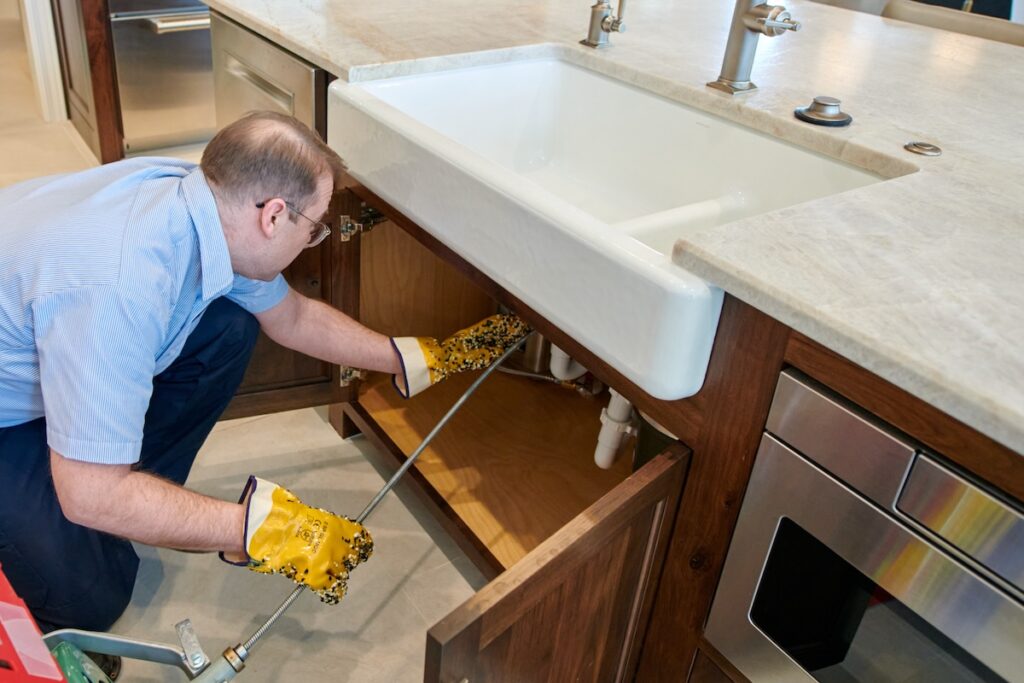
Frozen pipes are something almost every Kansas City homeowner deals with eventually. Our winters can be unpredictable. One day feels mild, the next brings a sudden freeze, and that quick temperature swing is often enough to stop water in a pipe. When that happens, you might notice slow flow from a faucet, or nothing at all. Frozen pipes can burst if they stay that way too long, so knowing what to do right away really matters. This guide walks through why pipes freeze here, how to spot the warning signs, and the safest steps to take before calling a professional.
Why Frozen Pipes Are a Common Problem in Kansas City and the Midwest
Kansas City winters have a habit of catching people off guard. Cold snaps roll in overnight; wind chills drop lower than expected, and older homes with crawl spaces or exposed plumbing feel it first. Even newer houses can freeze if drafts slip through small gaps in walls, basements, or along foundations. The freeze and thaw cycle in the Midwest creates the perfect conditions for water inside pipes to turn solid fast.
What Causes Pipes to Freeze
Pipes freeze when cold air surrounds them long enough to cool the water inside. A few things make that more likely:
- Little or no insulation
- Pipes running along exterior walls
- Unheated basements, garages, or crawl spaces
- Air leaks that bring cold air right to the plumbing
In KC homes, the biggest issue is usually cold air sneaking into places it does not belong.
Common Signs Your Pipes Are Frozen
Frozen pipes do not always burst right away. They usually give small warnings first:
- No water or very weak flow
- Frost or ice on visible piping
- Drains that smell strange
- Pipes that look swollen
If water stops completely, you likely have a freeze somewhere in the line.
What to Do Immediately If You Have Frozen Pipes
A quick response can keep things from getting worse.
1. Turn On the Nearest Faucet
Open both hot and cold. Even a slow trickle helps release pressure as the pipe thaws.
2. Apply Gentle, Even Heat to the Pipe
Use a hair dryer, warm towels, or a small space heater nearby. Warm the pipe slowly. Skip anything with an open flame.
3. Check Nearby or Connected Pipes
If one pipe is frozen, others in the same area may be close behind.
4. Call a Professional If the Pipe Won’t Thaw or Is Hard to Reach
Hidden pipes behind walls, ceilings, or floors need professional thawing to prevent damage.
When to Call a Professional Plumber
Call right away if you suspect a burst, if water shuts off everywhere in the house, or if thawing does not help after a short time. Frozen pipes behind walls can spread damage fast. A plumber can locate the freeze, thaw it safely, and check for cracks before they become bigger problems.
How to Prevent Frozen Pipes in Kansas City Homes
Prevention takes less effort than repairs. A few simple steps help keep water moving:
1. Insulate Vulnerable Pipes
Foam sleeves or pipe wraps work well in basements, garages, and crawl spaces.
2. Seal Air Leaks and Drafts
Even small openings around windows, doors, or rim joists can cool pipes quickly.
3. Maintain Consistent Indoor Temperatures
Keep the home at 55°F or above, even when away. Open interior doors for better airflow.
4. Let Faucets Drip During Harsh Cold Snaps
A small drip helps prevent freezing on lines along exterior walls or in older plumbing.
Why Local Expertise Matters During Winter Weather Emergencies
Kansas City plumbers understand where freezes happen first in our homes, how quickly temperatures can drop, and how to thaw pipes without making things worse. Quick local help can save hours of cleanup and costly damage.
Get Fast, Reliable Help for Frozen Pipes in Kansas City
If your pipes are frozen or you are worried about a burst, Anthony can help right away. We handle frozen pipe repair across Kansas City, KS and MO and respond quickly during winter cold spells. Fast action can prevent major water damage.
Frequently Asked Questions
On very cold nights, exposed or poorly insulated pipes can freeze in just a few hours, especially when temperatures drop below the teens.
Yes, turning off the main water supply lowers the risk of a burst pipe while you are away.
A burst pipe can send water into walls, floors, and ceilings quickly, damaging belongings and creating mold concerns if not addressed fast.
Many homeowner policies do cover frozen pipe damage, but coverage depends on the situation and the insurer’s guidelines.
Yes. Pipes in unheated or poorly insulated areas can freeze even when your furnace is running. Spaces like crawl spaces, exterior walls, garages, and basements may never get enough heat to protect exposed lines. If you notice cold drafts or certain rooms that stay significantly colder, those areas are more at risk.
A burst is usually obvious once the pipe thaws. You may hear water spraying, notice sudden dripping, or see water stains forming on ceilings, walls, or floors. If you have no water flow and then a rush of water appears once things warm up, that is a strong sign of a burst. Shut off your main water valve immediately and call a professional right away.